Sardinia's beach quota rules explained
A handful of Sardinia’s most photographed beaches now cap the number of visitors allowed on the sand each day, a response to genuine overcrowding damage from the years before quotas existed. It catches a lot of first-time visitors off guard, since nothing about the beach’s name or the postcard photos warns you that turning up without a booking might mean being turned away entirely.
Why the quotas exist
The core problem was straightforward: beaches with fine, quartz or granular sand, limited access paths and small overall surface area were being visited by more people daily than the ecosystem could handle, with visible erosion and dune damage as a result. Local authorities responded with capped daily numbers, paid entry at some sites, and in every case, a hard ban on removing sand from the beach — a rule enforced with fines from €500 to €3,000 that catches out visitors who don’t realise a jar of sand in a suitcase is a serious offence here, not a harmless souvenir.
La Pelosa
La Pelosa, near Stintino in the northwest, was the first Sardinian beach to introduce a formal quota and remains the strictest — a capped daily number of visitors, a paid entry fee, and a requirement to bring your own towel rather than a beach mat, since sand-damaging equipment is banned outright. Booking opens online a set number of days ahead each season and popular summer dates fill quickly. A boat-based alternative sidesteps the quota system altogether by approaching the same turquoise water from the sea:
Half-day catamaran tour to La Pelosa with aperitifCala Goloritzè and Cala Mariolu
Both Cala Goloritzè and Cala Mariolu, within the Gulf of Orosei, cap daily numbers for the hiking approach specifically — Goloritzè via the trail from the Golgo plateau near Baunei, Mariolu via the steeper descent from the Genna Silana road. Both require booking ahead in season, and the quota applies specifically to the walking route rather than arrival by boat, which is why a boat tour is the most straightforward way to see either cove without navigating the hiking permit system:
Cala Gonone boat trip to Cala GoloritzèFor visitors wanting both coves in a single excursion, a combined dinghy tour covers Mariolu and Goloritzè together from Cala Gonone in one outing, worth considering over two separate trips:
Cala Gonone dinghy excursion to Cala Mariolu and Cala GoloritzèCala Brandinchi and Lu Impostu
These two beaches near San Teodoro, covered together in our Cala Brandinchi and Lu Impostu guide, operate a capped daily entry system in peak season, generally less strict than La Pelosa’s but still worth booking ahead in July and August specifically. Both are reachable by road, unlike the Gulf of Orosei coves, which makes their quota easier to plan around since there’s no separate hiking permit layered on top.
Tuerredda
Tuerredda, in the far south near Teulada, caps parking and beach access during peak months, with the parking restriction functioning as the practical bottleneck for most visitors rather than a separate booking system. Arriving before mid-morning in July and August is the most reliable way to secure a spot without a formal advance booking.
Quiet beaches with no quota at all
Not every well-known Sardinian beach caps numbers. Is Arutas, the pink-quartz beach on the Sinis peninsula, and most of the coves around Villasimius and Capo Carbonara remain open access, no booking required, even in August. The trade-off runs the other way: they get busier for it, since visitors who can’t secure a slot at one of the five quota beaches often default to whichever nearby beach doesn’t need one.
Quiet beaches in Sardinia has a longer list for anyone who’d rather sidestep the booking question altogether. A boat trip around Capo Carbonara’s coves covers several open-access beaches in one outing without the parking scramble any single one brings in peak season:
Capo Carbonara boat and snorkelling tour from VillasimiusWhy not every popular beach needs a quota
Size and access design explain the pattern better than fame does. Poetto, Cagliari’s eight-kilometre city beach, draws enormous numbers on a summer weekend but was never a quota candidate — its length and dozens of separate access points spread visitors out in a way La Pelosa’s single narrow strip of sand can’t manage. The rule of thumb across the island: quotas apply specifically where a small, fragile beach with one or two access points meets very high demand, not simply wherever a beach happens to be popular. That’s also why new quota sites do occasionally get added if a previously quiet cove starts drawing crowds the terrain can’t absorb.
What actually happens without a booking
Turning up at a quota beach without a reservation in peak season doesn’t play out the same way at every site. At some, staff stop admitting new visitors outright once the daily cap is reached, full stop. At others, a same-day slot can occasionally open from a cancellation, though it’s not something worth planning around. The more useful habit is checking the specific beach’s current booking window a few days before you’re in the area, rather than assuming last year’s system, or another quota beach’s rules, still apply — each of the five sites runs its own platform and its own conditions, and they don’t move in sync with each other.
Booking timing by beach
Booking windows open at different points each season and shift slightly year to year, so checking the current official window close to your travel dates matters more than relying on a fixed rule. As a general pattern, La Pelosa’s system tends to open bookings furthest in advance, while the Gulf of Orosei coves and San Teodoro beaches typically open theirs somewhat closer to the date, though popular summer slots at all of them can fill within days of opening.
Frequently asked questions about Sardinia’s beach quotas
Which Sardinia beaches have access quotas?
La Pelosa, Cala Goloritzè, Cala Mariolu, Cala Brandinchi, Lu Impostu and Tuerredda all operate some form of capped daily access.
Do the quotas apply outside peak season?
Enforcement generally eases from October through April, when visitor numbers drop naturally, but rules can vary by site and year.
Can I visit these beaches by boat instead of booking land access?
Yes at most of them, and it’s often a genuinely good alternative rather than just a workaround — see the tour options above for La Pelosa and the Gulf of Orosei coves.
Is sand really banned from these beaches?
Yes, taking sand from any Sardinian beach is illegal and enforced with fines from €500 to €3,000, not limited to the quota beaches specifically.
How far ahead should I book?
As soon as your travel dates are confirmed for a June-September visit; popular slots at La Pelosa in particular can fill within days of the booking window opening.
What happens if a quota beach is fully booked when I arrive?
You won’t generally be admitted without a reservation once the daily cap is hit; treat the booking as mandatory rather than a formality, and have a quota-free beach or a boat tour as a backup plan.
Are there good beaches in Sardinia that never need a booking?
Yes — Poetto in Cagliari, Is Arutas on the Sinis peninsula, and most of the coves around Villasimius and Capo Carbonara are open access year-round with no quota system at all.
Beach & coastal tours on GetYourGuide
Verified deep-linked GetYourGuide tours. Book through these links and we earn a small commission at no cost to you.
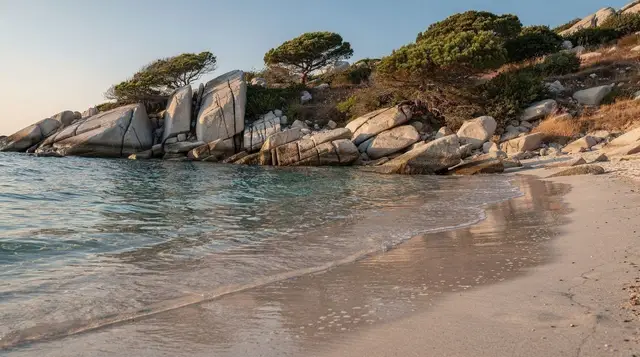
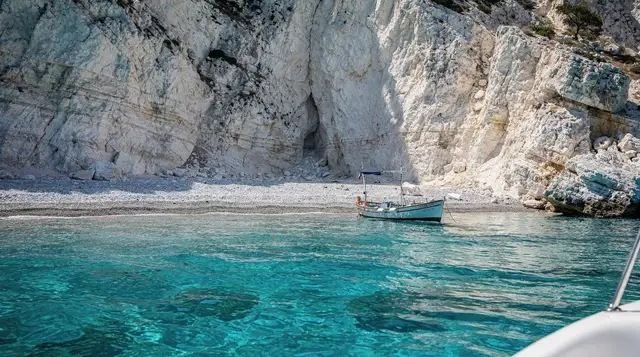
These are our own photographs of Sardinia, not the operator's pictures of this tour — open the tour page to see those.