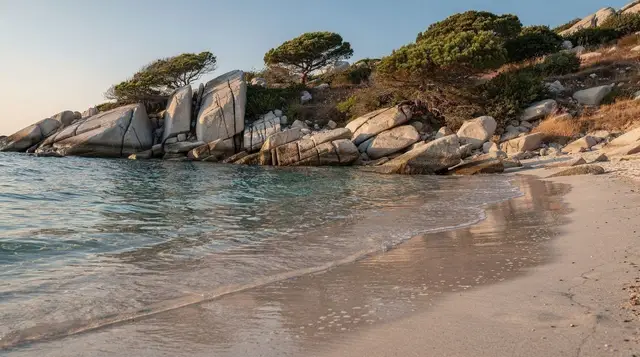
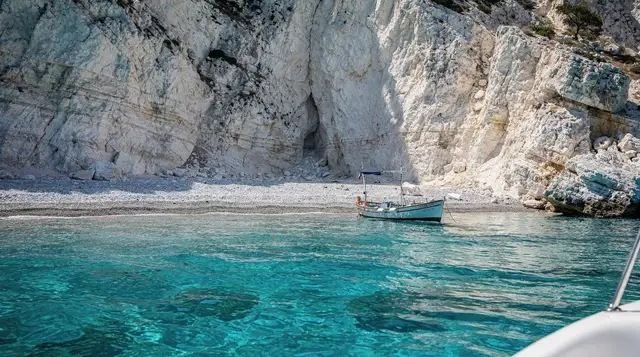
Poetto beach, Cagliari
Is Poetto beach worth visiting in Cagliari?
Yes — it's an 8km sweep of pale sand a short bus ride from the historic centre, genuinely usable without a car, and calm enough for children close to shore. It won't match Chia or Villasimius for scenery, but as a no-car beach day it has no real competitor in Sardinia.
The one Sardinian city with a real beach attached
Poetto is Cagliari’s genuine advantage over every other city base on the island — 8km of pale sand running from the Sella del Diavolo headland in the west to Quartu Sant’Elena in the east, reachable by city bus in around 20 minutes from Piazza Yenne or the Castello quarter. Unlike Alghero or Olbia, where the closest decent beach is a 15-45 minute drive out of town, Cagliari lets you spend a morning in the Castello’s museums and be swimming by lunchtime without touching a car. It’s a working city beach rather than a resort, which is part of its appeal: local families, students and office workers use it as much as visitors do.
| Length | 8km, Sella del Diavolo to Quartu Sant’Elena |
| Getting there | CTM bus (line PF or similar, ~20 min from the centre), or the PRT tram |
| Sun lounger + umbrella | €10-15 a day at licensed stabilimenti |
| Free stretches | Yes, long sections with no facilities, bring your own gear |
| Best for | No-car beach days, sunset walks, watersports |
Which stretch to pick
Poetto isn’t one uniform beach — the character shifts noticeably along its length. The western end, closest to the Sella del Diavolo headland and the Marina Piccola marina, has more of the licensed stabilimenti with loungers, beach bars and restaurants, and tends to be busier with a slightly older crowd. Moving east toward Quartu, the beach opens out, facilities thin, and long free stretches appear where you can set up with your own umbrella at no cost. The far eastern end, nearer Quartu itself, is quietest and least developed, popular with kitesurfers and windsurfers when there’s a breeze off the Golfo degli Angeli.
Sun loungers, free stretches, and what things actually cost
A day with two sun loungers and an umbrella at one of the stabilimenti runs roughly €10-15 in 2026, cheaper than most equivalent setups on the Costa Smeralda or even Chia. If you’d rather not pay, long stretches of Poetto have no managed facilities at all — bring your own umbrella and towel and set up wherever there’s space, which is rarely a problem outside the busiest August weekends. Toilets and showers are available at intervals along the promenade behind the beach even where the sand itself is unmanaged.
Molentargius and the flamingos, right next door
Between Poetto and the city, the Molentargius-Saline regional park is one of Europe’s few urban wetlands with a resident population of greater flamingos, visible year-round and easiest to spot at dawn or dusk from the cycle path along Via la Palma. It’s a five-minute detour from the beach and genuinely worth the stop — see our flamingos at Molentargius guide for the best viewpoints and a short history of the old saltworks the park is built around.
Watersports and getting active on the water
The stretch near Marina Piccola has the most watersports infrastructure — stand-up paddleboard and kayak rental by the hour, and windsurfing when the breeze picks up, usually in the shoulder months rather than the stiller days of high summer. If you’d rather see the coast from a saddle than a board, the panoramic horseback riding tour runs along the coastline near the city, and the sunrise horseback ride with a dive combines an early ride with a swim before the beach gets busy — a good option if you want Poetto without the midday crowds.
When Poetto is at its best
Weekday mornings and any time outside the peak two weeks of mid-August are when Poetto is at its most pleasant — plenty of space, easy parking for anyone driving, and a relaxed pace along the promenade. Evenings from June through September bring the beach’s other identity: kiosks and beach bars along the front fill with locals for aperitivo and sunset, which is worth experiencing even if you’ve already had your swim earlier in the day. For the wider seasonal picture, see best time to visit Sardinia.
Beyond Poetto: day trips once you’ve done the city beach
Once Poetto is ticked off, the south coast’s better-known beaches are all within an hour’s drive. Chia, with its tall dunes and postcard coves, and Villasimius, with calmer water inside the Capo Carbonara marine reserve, are the two obvious next stops — our best beaches in south Sardinia guide covers both in detail. If you’d rather not drive yourself, the beach tour to Chia and Tuerredda and the Villasimius and Solanas beaches tour both run directly from Cagliari and cover the two most popular options.
Nightlife and eating near the beach
Poetto’s promenade turns into one of Cagliari’s main nightlife strips through summer, with beach clubs and bars staying open well past midnight on weekends. See nightlife in Cagliari for which venues suit a quieter drink versus a proper night out, and where to eat in Sardinia by area for restaurant recommendations along the seafront rather than the more touristy options nearer the marina.
Sella del Diavolo: the headland walk above the beach
At Poetto’s western end, the Sella del Diavolo (“Devil’s Saddle”) headland rises sharply above the sand and offers a short, moderately steep walking trail with sweeping views back over the entire beach and the Golfo degli Angeli. It’s a worthwhile hour’s detour if you want a break from the sand, and the trail passes the remains of a Punic-Roman necropolis partway up, adding a bit of history to the walk. Go in the early morning or later afternoon in summer, since the exposed path gets hot with no shade for most of its length.
A base for exploring the rest of Cagliari
Staying near Poetto keeps you a short bus ride from the Castello quarter’s museums, the Roman amphitheatre and the Marina district’s restaurants, without sacrificing beach access — genuinely one of the more efficient bases on the island for combining a city stay with a beach holiday. Our things to do in Cagliari guide covers the historic centre in full, and Cagliari has the wider destination overview if Poetto is only one part of a longer Cagliari stay. For getting into the city in the first place, see Cagliari-Elmas airport guide.
Festivals and events near the seafront
Cagliari’s Sant’Efisio festival, held every May 1st, processes from the city centre out along the coast road that runs behind Poetto, and it’s worth timing a visit around if traditional Sardinian costume and religious procession interest you — one of the island’s oldest and largest annual events. Outside festival dates, the Poetto promenade hosts occasional markets and evening events through summer that are worth checking for during a stay. See Sant’Efisio festival in Cagliari and the wider Sardinia festivals calendar for dates.
Wind, waves and when the water is calmest
Poetto sits inside the sheltered Golfo degli Angeli, which keeps it generally calmer than more exposed beaches elsewhere on the island, though a stronger mistral can still bring a noticeable chop, particularly at the eastern end toward Quartu. This makes it a reasonably safe fallback beach day when wind rules out a boat trip to Chia or the Gulf of Orosei, since the bay’s shape offers real shelter that open coastlines don’t have. Morning tends to be calmer than afternoon through summer, when thermal winds off the land build through the day.
Accessibility and facilities along the promenade
Poetto’s long promenade is flat and paved for most of its length, making it one of the more accessible beaches on the island, and several of the licensed stabilimenti offer walkways down to the water and equipment for visitors with reduced mobility — worth calling ahead in peak season to confirm availability at a specific stretch. Public toilets and showers are spaced along the full 8km, more consistently than at any of the more rural beaches covered elsewhere on this site, and the CTM buses that serve the beach are low-floor and step-free. This makes Poetto a genuinely practical choice for a group with mixed mobility needs, in a way that Chia’s dune paths or Villasimius’s more rugged coves aren’t.
Parking along the promenade: what it actually costs
Driving to Poetto is straightforward outside the two peak weeks of mid-August, when the free roadside spaces along Viale Poetto fill by mid-morning. Several paid car parks run along the seafront, typically €1-2 per hour or a flat €8-12 for a full day in high season, and they’re the more reliable option if you’re arriving after 10am in July or August rather than circling for a free space. Free parking does exist further back from the promenade, a five-to-ten-minute walk from the sand, and it’s a realistic option outside the very busiest weekends. Buses and the PRT tram avoid the parking question entirely and are worth defaulting to on any day you’re not also planning to drive elsewhere afterwards.
Kiosks, beach bars and eating without leaving the sand
Poetto’s chioschi — small beach kiosks spaced along the promenade — cover everything from a quick espresso and cornetto in the morning to a full aperitivo spread by early evening, and prices sit noticeably below what a sit-down restaurant nearby would charge for the same drink. A simple lunch of a panino or a plate of pasta at one of the beachfront bars typically runs €8-15, while a full evening aperitivo with a spritz and a shared plate of snacks runs €10-18pp at most of the more popular spots. The stabilimenti with sun loungers generally have their own bar and light kitchen too, convenient if you don’t want to leave your spot to eat, though prices there run a little higher than the independent kiosks further along the sand.
Poetto outside summer: what’s actually open
Poetto doesn’t close for winter the way some purely seasonal Sardinian beaches do — Cagliari is a working city year-round, and locals walk, run and cycle the promenade through the cooler months regardless of swimming season. Most of the stabilimenti and beach bars do close or reduce hours from roughly October to April, though a handful of the more established kiosks near Marina Piccola stay open for coffee and a simple lunch even in winter.
Swimming itself is realistic from May to October for most visitors, with a hardier few swimming year-round; the promenade, the Sella del Diavolo walk and the flamingos at Molentargius next door are all worth visiting regardless of season, making Poetto a legitimate stop even on a winter city break built around Cagliari’s museums and old town.
Frequently asked questions about Poetto beach
How do I get to Poetto from central Cagliari?
By CTM city bus, roughly 20 minutes from the historic centre, or the PRT light rail which also serves the beach. A taxi takes about 15 minutes and costs €12-18.
Is Poetto beach free?
Yes, the shoreline is public by Italian law. Sun loungers and umbrellas at the licensed stabilimenti cost roughly €10-15 a day if you want them; long free stretches exist if you bring your own gear.
Is Poetto good for swimming with children?
Yes, particularly the calmer stretches near Marina Piccola, where the water shelves gently and facilities are close by.
How does Poetto compare to Chia or Villasimius?
Poetto is more convenient (no car needed) but less scenic. Chia has dramatic dunes, Villasimius has calmer, clearer water for snorkelling — both are worth the drive if you have a car and a full day.
Is Poetto crowded in summer?
The western end near Marina Piccola gets busy on August weekends; the eastern stretches toward Quartu Sant’Elena stay noticeably quieter.
Can I do watersports at Poetto?
Yes — stand-up paddleboard and kayak rental are available near Marina Piccola, and windsurfing conditions pick up in the shoulder months when the breeze is more consistent.
Is parking free at Poetto?
Free roadside spaces exist away from the busiest stretches but fill quickly in August; paid car parks along the promenade run €1-2 per hour or a flat daily rate in high season and are more reliable if you’re arriving mid-morning in summer.
Is Poetto open and worth visiting outside summer?
Yes — most stabilimenti reduce hours from October to April, but the promenade, the Sella del Diavolo walk and nearby Molentargius are worth visiting year-round, and a handful of kiosks stay open through winter.
Can I rent beach equipment if I don’t bring my own?
Yes — most stabilimenti rent umbrellas, loungers and occasionally paddleboards or kayaks by the hour or the day, useful if you’re travelling light or only decided on a beach day at short notice.
Are there lifeguards at Poetto?
Yes, seasonally, at the main supervised stretches near the stabilimenti from around June to September; the quieter free stretches further from these points have less consistent supervision, worth bearing in mind with children or weaker swimmers.
Beach & coastal tours on GetYourGuide
Verified deep-linked GetYourGuide tours. Book through these links and we earn a small commission at no cost to you.
These are our own photographs of Sardinia, not the operator's pictures of this tour — open the tour page to see those.