Sardinia’s south-coast diving and boat-trip capital
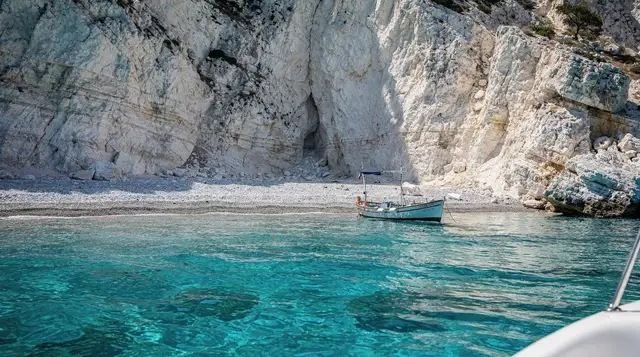
Villasimius was a modest fishing and farming village until the 1960s, when the road from Cagliari improved and the coastline’s clear water started attracting divers rather than day-trippers. It has grown considerably since — the summer population is many times the roughly 3,600 year-round residents — but the reason to come has not changed: the Capo Carbonara marine protected area, established in 1998, wraps the peninsula’s tip and the two small islands offshore, Isola dei Cavoli and Serpentara, in some of the clearest, most protected water in southern Sardinia.
That protection is exactly why Villasimius works differently from Chia or Costa Rei further along the coast. Much of the best swimming and snorkelling here is only properly reached by boat — the marine reserve restricts anchoring and motor access close to shore in places, which keeps the water genuinely clean but means a hire car alone will not get you to the best of it. Villasimius has by far the densest concentration of dive centres and boat charter operators in the south, which is the whole point of basing yourself here rather than at Cagliari or Chia.
| Region | South Sardinia |
| Nearest airport | Cagliari-Elmas (CAG), 50 minutes by car |
| Getting there | Hire car via the SS125 coast road; ARST summer buses run from Cagliari but infrequently |
| Getting around | Car needed for the beaches; boats needed for Isola dei Cavoli and the marine reserve’s best coves |
| Best time to visit | June-September for swimming and diving; May and October for quieter beaches |
| Days needed | 2-3 days, more if you are diving or doing multiple boat trips |
Getting there and around
The drive from Cagliari-Elmas takes about 50 minutes on the SS125, a two-lane coast road that is slower than the distance suggests — expect closer to an hour in July and August traffic. There is no motorway shortcut; this is standard for Sardinia outside the SS131 corridor. Public transport exists in summer via ARST coach but the timetable is thin and not built around tourist schedules, so a hire car is the practical choice; see renting a car in Sardinia and driving in Sardinia for the wider picture on excess insurance and one-way drop-off fees.
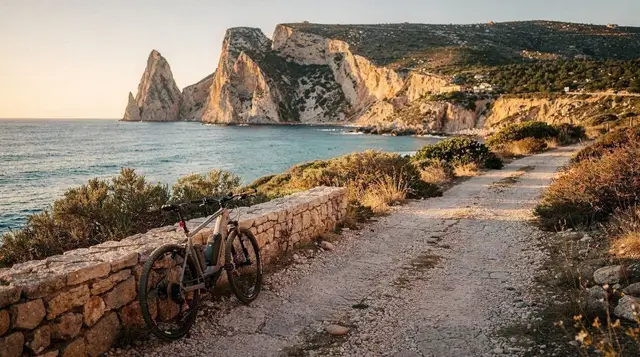
Once in Villasimius, the town itself is walkable, but the beaches spread out along several kilometres of coast in both directions, so a car (or bicycle for the closer ones) is worth keeping for the duration of your stay. If you would rather not drive at all, the 4x4 day tour to Villasimius’s beaches from Cagliari covers the coastline in one guided day without needing your own vehicle.
The beaches: Spiaggia del Riso to Porto Giunco
Villasimius’s beach run starts close to town at Spiaggia del Riso, named for sand so fine and pale it resembles grains of rice, and continues south-east through Cala Caterina and Simius before reaching the two standouts: Punta Molentis and Porto Giunco. Punta Molentis is a pink-granite headland enclosing a shallow, turquoise lagoon that is sheltered enough for children but busy by 10am in August — arrive early or come by boat instead. Porto Giunco, backed by a lagoon that hosts flamingos outside peak summer, is arguably the better all-rounder: two beaches either side of a narrow spit, one calmer, one with more waves depending on wind direction.
Further round the cape, Cala Pira and Campulongu are smaller and less crowded, reachable by short unpaved tracks that keep the bus tours away. Our Villasimius beaches guide has a full beach-by-beach breakdown including parking, shade and which ones suit swimmers versus families with small children, and the wider best beaches in south Sardinia puts Villasimius’s options in context against Chia and Poetto.
| Beach | Character | Best for |
|---|---|---|
| Punta Molentis | Shallow turquoise lagoon, pink granite | Families, photos, gets crowded by mid-morning |
| Porto Giunco | Long dual beach, lagoon behind | All-round swimming, less crowded |
| Spiaggia del Riso | Fine pale sand near town | Convenience, easy access |
| Cala Pira | Small cove, short walk in | Escaping the coach groups |
Isola dei Cavoli, Serpentara and the marine reserve
The two islands offshore are the real reason divers rate Villasimius above almost anywhere else in the south. Isola dei Cavoli, a granite islet with a 19th-century lighthouse, sits within the strictest protection zone of the marine reserve; its surrounding water holds seagrass meadows, groupers and, on a good day, barracuda shoals. Serpentara, further south, is quieter still and less visited by day-trip boats, which suits divers and snorkellers who want fewer fins in the water around them.
Access to both is by boat only — there is no bridge or regular ferry, and swimming out is neither sensible nor permitted close to the protected zones. The boat trip combining Isola dei Cavoli and Punta Molentis is the standard way to see both in a half-day, and the self-drive dinghy tour to Isola dei Cavoli suits anyone who would rather set their own pace without a full skippered charter.
For snorkelling specifically without committing to a full dive course, the Capo Carbonara boat and snorkelling tour is the best-value option and doubles as a general orientation trip around the reserve.
Diving in Villasimius
Villasimius has the highest concentration of dive centres south of Alghero, and the range of sites suits everyone from complete beginners to wreck specialists. Shallow reef dives around Isola dei Cavoli work well for first-timers; the wreck sites further out, including a WWII-era vessel, are for certified divers with more experience.
If you have never dived before and want to try it without committing to a certification course, the first-time discover dive at Capo Carbonara and the discover scuba diving experience are both structured for exactly that, with a shore briefing before the boat goes out.
Our diving in Villasimius and Capo Carbonara guide covers certification requirements, water temperature by month and how it compares with diving in Sardinia more broadly, and best snorkelling spots in Sardinia is the reference if you are not diving at all.
Boat trips, sailing and kayaking
Beyond diving, Villasimius is where most of Sardinia’s south-coast boat charters are based. Options range from shared group boats to full private yacht days: the catamaran day trip with lunch along the southern coast is a relaxed, sociable full-day option, while the private yacht cruise with aperitif and lunch suits couples or small groups who want the boat to themselves.
Our private versus group boat tours guide walks through the trade-offs in cost and flexibility, and what boat tour operators don’t tell you is worth reading before booking anything, since not every listing is as accurate about swim stops and crowding as it should be.
If you would rather stay closer to shore, kayak and stand-up paddleboard rental is straightforward around Porto Giunco and Simius — the SUP and kayak rental in Villasimius covers both, and our sea kayaking in Sardinia and stand-up paddle in Sardinia guides have wider route suggestions.
For anyone wanting to skipper their own boat without a licence, the renting a boat without a licence guide explains the rules — Italy allows unlicensed hire up to 40hp within set distances from shore, which covers a fair stretch of the Capo Carbonara coastline.
Where to stay and eat
Villasimius town itself is small and low-rise, with most restaurants clustered around Via Umberto and the port. Seafood dominates unsurprisingly — look for spaghetti alle arselle (clams) and grilled catch of the day rather than the tourist-menu pizza places nearer the main square, which are fine but unremarkable. Booking dinner ahead in August is sensible; outside July-August the town empties out considerably and many places close for the season, which is worth knowing if you are visiting in a shoulder month expecting a lively evening scene.
Frequently asked questions about diving and boat trips in Villasimius
Do I need to be a certified diver to try diving in Villasimius?
No. Discover dives and try-dive sessions are widely available for complete beginners, typically including a short briefing and a shallow guided dive with an instructor. Deeper or wreck sites do require certification.
Is Isola dei Cavoli worth the boat trip?
Yes — it is one of the clearest, best-protected patches of water on the south coast, with seagrass meadows and reliably good visibility. It cannot be reached any other way, which is exactly what keeps it uncrowded compared with shore-accessible beaches.
How does Villasimius compare to Chia for a beach-only holiday?
Chia has more dramatic scenery — dunes, Tuerredda’s colour, Cala Cipolla — and everything is reachable by car without booking a boat. Villasimius is the stronger choice specifically if diving, snorkelling or boat trips are part of the plan; see our Chia page for the comparison in more depth.
Are there access quotas at any Villasimius beaches?
Not formal booking quotas in the way La Pelosa or Cala Goloritzé have, but Punta Molentis has genuinely limited parking that fills early in peak season, which functions as a practical cap on numbers. See Sardinia’s beach access quotas for which beaches island-wide have formal reservation systems.
Can I visit Villasimius as a day trip from Cagliari, or should I stay overnight?
Both work. A day trip covers one beach and one boat trip comfortably; staying two or three nights lets you do a proper boat day, a dive, and beach-hop without rushing. Our day trips from Cagliari guide has timings if you are deciding.
What is the water temperature like for diving through the season?
Roughly 18-19°C in May, climbing to a comfortable 24-26°C at the surface by August, with a noticeable thermocline at depth even in summer — a 5mm wetsuit is standard through the season, with a thicker suit or drysuit worth considering in May or October.
Is Villasimius expensive compared to Cagliari?
Slightly more for accommodation in peak season, since it is a smaller resort town with less competition than the capital, but comparable for food. See is Sardinia expensive for a wider cost comparison across the island.
Does Villasimius get affected by the mistral wind?
Yes, though less than the north or west coasts — the Capo Carbonara headland gives some shelter, but strong mistral days can still cancel boat trips to the islands. Check conditions before booking, and build a spare day into your schedule if a boat trip is the priority.