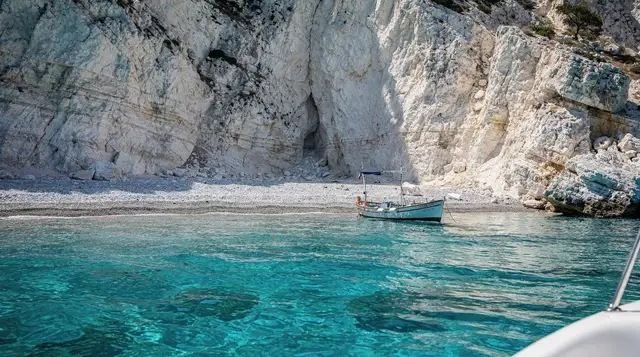
Ask a handful of well-travelled Sardinians where the best beach in Gallura is, and San Teodoro comes up more often than Porto Cervo or anywhere else on the Costa Smeralda proper. The sand here is genuinely finer and the water genuinely more transparent than most of the coast north of it, and the town that grew up behind the beaches is a working resort rather than a curated showpiece — pizzerias, gelaterie, rental agencies and a summer nightlife scene that skews younger and considerably cheaper than the marina villages.
What sets San Teodoro apart geographically is the combination of beach, lagoon and island on one short stretch of coast. Cala Brandinchi and La Cinta are among the best sand beaches in Sardinia, the Stagno di San Teodoro lagoon just behind town hosts flamingos for most of the year, and Tavolara — a near-vertical limestone island that looks lifted from a different coastline entirely — sits close enough offshore to reach by boat in twenty minutes.
| What | Where | How long | When to go |
|---|---|---|---|
| Cala Brandinchi (“little Tahiti”) | 3 km north of San Teodoro centre | Half a day | Early morning for the quota, June–September |
| La Cinta | Town-adjacent, north of the centre | Half a day to full day | Any time; least crowded outside August |
| Lu Impostu | South of town, near the lagoon | Half a day | Book ahead in peak season, quota applies |
| Tavolara boat trips | Depart San Teodoro and Puntaldia harbours | Half a day | May–October |
| Stagno di San Teodoro lagoon | Behind La Cinta and the town | 1 hour | Year-round, best at dawn or dusk for flamingos |
From fishing hamlet to Gallura’s favourite beach town
San Teodoro was, until well into the 20th century, a small and fairly marginal settlement — malaria was endemic in the coastal wetlands here until land reclamation and mosquito-control programmes in the mid-1900s made the area properly habitable. That history is easy to forget standing on La Cinta on a July afternoon, but it explains why San Teodoro’s development is more recent and more organically Italian-holiday in feel than the deliberately masterplanned Costa Smeralda villages a short drive north.
Tourism took off from the 1970s onward as word spread about the beaches, and the town has grown steadily since without ever adopting the exclusivity that defines Porto Cervo. Prices here sit well below the Costa Smeralda’s marina front, the crowd is a mix of Italian families, younger travellers and a growing number of international visitors, and the summer evening scene along the main strip has a genuine buzz that the more reserved resort villages don’t try to compete with.
Cala Brandinchi, La Cinta and the quota system
Cala Brandinchi earned its “little Tahiti” nickname honestly — a long crescent of pale, fine sand backed by juniper scrub, fronting shallow water so clear the seabed is visible well past waist depth. It’s also one of the Sardinian beaches now subject to a capped daily entry quota in peak season, part of a wider set of protective measures covered in our guide to Sardinia’s beach access quotas. Our dedicated Cala Brandinchi and Lu Impostu guide covers exactly how the booking system works, current pricing and the best times to arrive, so it’s worth reading before a summer visit rather than turning up and hoping for a spot.
La Cinta, right at the edge of town, doesn’t currently run a quota and is consequently the easier option for a spontaneous beach day — a long straight stretch of white sand with the lagoon behind it, popular with kitesurfers when the mistral picks up in the afternoon. Lu Impostu, a little further south near the lagoon mouth, shares Cala Brandinchi’s fine sand and clear water and also runs a capped-entry system in July and August; both are covered in detail in the guide linked above rather than repeated here.
For a wider comparison of what else the Costa Smeralda area offers beyond San Teodoro’s own sand, our best beaches in the Costa Smeralda guide is a useful companion, and quiet beaches in Sardinia has suggestions for travellers who want San Teodoro’s water quality without San Teodoro’s August crowds.
The lagoon and its flamingos
The Stagno di San Teodoro, the brackish lagoon separating La Cinta from the town, is one of the more accessible spots in Sardinia to see flamingos without a special trip — a resident and passage population feeds here for most of the year, visible from the causeway road and the paths along the water’s edge. Dawn and dusk are the reliable windows, when the light is better and the birds are more active; midday in high summer tends to be quiet. For context on where else in Sardinia to see flamingos and other coastal birdlife, our birdwatching in Sardinia guide covers the island’s other main sites.
Tavolara and the boat trips that reach it
Tavolara dominates the view south from San Teodoro’s beaches — a limestone massif rising almost 600 metres straight out of the sea, visually closer to a Dolomite outcrop than anything else on this coast. It’s largely a nature reserve today, with limited public access on land, which makes a boat trip the realistic way to actually experience it rather than just photograph it from the beach. Our Tavolara destination page and Tavolara boat tours guide cover the island itself and the trip formats in more depth.
San Teodoro and the neighbouring harbour at Puntaldia run one of the widest ranges of boat trips on this coast. a 5-islands tour from San Teodoro’s beach covering Tavolara and the surrounding archipelago is the single most popular format, taking in several of the small islands and islets around Tavolara and Molara in a single half-day trip with swimming stops. For something more focused on the water itself, a snorkelling trip to Molara’s clear pools from Puntaldia or San Teodoro spends more time in the water and less time moving between sights.
Divers have real options here too — an expert-level diving trip around Tavolara and Molara covers some of the more demanding sites in the marine reserve, a level up from the shallow snorkelling spots most day-trippers stick to. Our general diving in Sardinia guide and best snorkelling spots in Sardinia guide put this area in context against the rest of the island’s dive sites.
Slower options exist too: a sunset kayak tour combining snorkelling with a local aperitif is a good pick for an evening that doesn’t require committing to a full-day boat trip, and inland options like a jeep and hiking tour along the Rio Pitrisconi valley cover the greener side of San Teodoro’s surroundings for anyone who wants a break from the beach entirely.
Getting there, eating and prices
Olbia Costa Smeralda airport is around 25 to 30 minutes’ drive from San Teodoro, making it a genuinely convenient first or last stop on a Gallura trip. A hire car is the practical way to get here and move between the beaches — our renting a car in Sardinia guide covers current pricing and paperwork, and driving in Sardinia sets realistic expectations for road speeds outside the main SS131.
Eating in San Teodoro is noticeably cheaper than the Costa Smeralda marina villages: a casual pizza or pasta dinner typically runs €15 to €22 a head, and a proper sit-down seafood meal with wine lands around €35 to €45, roughly half what the same standard would cost on Porto Cervo’s marina front. Our where to eat in Sardinia by area guide covers this price gap across the island in more detail. For families specifically, San Teodoro’s combination of shallow water, gentle sand and a manageable town centre makes it a strong pick, covered further in Sardinia beaches with kids.
If San Teodoro is fully booked or over budget, Budoni, a short drive south, offers a quieter and cheaper version of a similar beach setup, and Olbia and Golfo Aranci both work as alternative bases within reach of the same stretch of coast. Our 3-day Olbia and Costa Smeralda itinerary shows how San Teodoro fits into a short first trip to this part of the island, and day trips from Olbia covers other options within range if you’re based there instead.
Frequently asked questions about San Teodoro
Do I need to book Cala Brandinchi in advance?
In July and August, yes — the daily quota fills, particularly on weekends. Our beach access quotas guide explains the booking system; outside peak season, entry is usually unrestricted.
How do I get to Tavolara island?
There’s no scheduled ferry with regular passenger service to the island itself; almost everyone visits via a guided boat trip departing San Teodoro or Puntaldia, most of which circle the island and stop for swimming rather than landing.
Is San Teodoro good for families with young children?
Yes — the water at La Cinta and Cala Brandinchi is shallow for a long way out, the sand is soft, and the town centre is compact enough to manage without a car for daily essentials.
Is San Teodoro cheaper than the Costa Smeralda villages further north?
Considerably. Restaurant and accommodation prices generally run 30 to 50% below Porto Cervo or Baja Sardinia for a comparable standard, without a major drop in beach quality.
What’s the best time of year to see flamingos on the lagoon?
They’re present for most of the year, but dawn and dusk consistently offer the best sightings and light; numbers tend to be highest outside the height of summer.
Can I visit San Teodoro without a car?
It’s difficult to see much beyond the town beach without one — Cala Brandinchi, Lu Impostu and the boat departure points are spread out enough that a car or reliable taxis make a real difference; see visiting Sardinia without a car for the honest limits of relying on buses here.
Is San Teodoro’s nightlife actually lively, or is that overstated?
It’s genuinely one of the livelier spots on this coast in July and August, with beach clubs and bars staying busy into the night — a real contrast with the quieter, more reserved evenings in villages further north. Outside peak season, it quietens down considerably.
How does San Teodoro compare to Budoni just to the south?
San Teodoro has the better-known beaches and busier atmosphere; Budoni offers a calmer, cheaper alternative with its own long sandy beach, a short drive away.