The hike to Cala Goloritzé
How hard is the hike to Cala Goloritzé?
Moderate to hard. It's around 2 hours down and up to 3 hours back on a rocky, unshaded path descending roughly 300m over just under 2km from the Golgo plateau. A paid, capped daily permit is required and often sells out in July and August, so book ahead.
Sardinia’s most photographed hike, for good reason
The hike to Cala Goloritzé is the single most rewarding short hike on the island — a beach reachable no other way except by boat, with a 143m limestone pinnacle (Punta Caroddi, known locally as the “Aguglia”) rising straight out of turquoise water at the far end. It descends from the Golgo plateau, inland from Baunei, through classic Supramonte limestone terrain before reaching the cove itself.
Unlike the Selvaggio Blu further along the same coast, this is a single-day hike that needs no technical skill or guide licence, but it’s genuinely more demanding than its “moderate” reputation on some travel sites suggests, especially on the climb back up in summer heat.
Cala Goloritzé also holds UNESCO Geopark status and has been a protected natural monument since the 1990s, which is why it now carries a capped daily visitor permit — book this before you fix a date, since it sells out days ahead in peak season.
| Detail | What to expect |
|---|---|
| Distance | ~1.9km each way from the Golgo plateau car park |
| Elevation change | ~300m descent, unshaded |
| Time | 2 hours down, up to 3 hours back |
| Permit | Required, capped daily numbers, book ahead |
| Best season | May-June, September-October; doable but harder in Jul-Aug |
The route from the Golgo plateau
Access starts at the Golgo plateau, reached by a paved road inland from Baunei — a striking, high, dry landscape in itself, with a deep sinkhole (Su Sterru) worth a look before you start walking. From the car park, the path descends through pine woodland and then open, rocky terrain, losing around 300m over roughly 1.9km — steep enough that this counts as a genuine descent rather than a gentle walk, with loose limestone underfoot for stretches. You’ll reach a saddle with your first sight of the sea and the Aguglia pinnacle before the final drop to the beach itself, arriving beside the pinnacle’s base rather than in the middle of the cove.
The return leg is where the hike earns its “hard” rating: the same 300m climbed back in reverse, on a path with minimal shade, after a morning or afternoon spent in full sun at the beach. Starting early — ideally before 9am in summer — makes a genuine difference to how manageable the return feels.
Booking the permit
Cala Goloritzé caps daily visitor numbers, and the booking system (run through the Baunei municipality/cooperative managing Golgo) requires payment ahead, typically a modest fee per person covering both the trail access and the plateau parking. In July and August, slots can sell out several days in advance — this isn’t a hike to plan spontaneously in peak season. Full current booking links, prices and how far ahead to book are covered in our Sardinia beach access quotas guide and our dedicated Cala Goloritzé beach guide, which focuses on the beach itself once you arrive rather than the hike in.
Booking a guided version
The Cala Goloritzé trekking tour with a guide bundles the permit, transport to the Golgo plateau, and a local guide into a single booking — genuinely useful for a first visit, since it removes the separate permit-booking step and gives context on the Golgo plateau’s own history (it was inhabited by shepherd families into the 20th century) that you’d otherwise miss walking through alone. It’s not a requirement — the trail itself needs no technical guiding — but it simplifies logistics considerably, particularly for visitors without a hire car who’d otherwise need to arrange transport to the trailhead separately.
Seeing Cala Goloritzé without hiking
Not everyone wants or can manage the descent-and-climb. The same beach is reachable by boat from Cala Gonone or Santa Maria Navarrese, on trips that also take in Cala Mariolu and Cala Luna further along the coast — see Gulf of Orosei boat trips for the full picture.
The full-day guided boat tour of the Baunei coast and the Baunei coast cruise with swim stops both take in this stretch of coastline from the water, an easier alternative for anyone with mobility concerns or who’d simply rather not do the climb. Some visitors do both — hike in one direction, boat out the other — though this needs coordinating transport back to your car and isn’t offered as a packaged option by most operators.
What to bring
More water than feels necessary — 2 litres minimum per person, since there’s no refill point after the plateau car park and the return climb is genuinely dehydrating in summer. Proper trail shoes rather than sandals or trainers; the descent is loose and rocky throughout. A hat and reef-safe sunscreen, since there’s minimal shade on the path and none at all on the beach. Cash for the permit fee if you’re booking on arrival rather than online (online booking ahead is strongly preferable). See our general Sardinia packing list for anything else worth bringing on a Baunei day trip.
The Golgo plateau itself, before you descend
Most guides to this hike focus entirely on the beach at the end, but the Golgo plateau at the start deserves its own attention. This high, dry tableland was inhabited by shepherd families into living memory, and a handful of restored stone huts and a small church near the trailhead reflect that history.
Su Sterru, a vertical sinkhole close to the car park reaching over 250m deep, is worth the short detour before you start walking — it’s one of the deepest sinkholes in Italy and gives an immediate sense of the karst geology that shaped both this plateau and the gorge you’re about to descend into. Horses are sometimes available near the plateau for those who’d rather not walk the full route, though this isn’t a standard tour offering and availability varies.
The geology of the Aguglia pinnacle
The limestone sea stack rising from the water beside Cala Goloritzé — locally called l’Aguglia, “the needle” — formed through the same erosional processes that carved the wider Gulf of Orosei coastline, an isolated remnant left standing as the softer surrounding rock wore away over geological time.
At 143m, it’s a genuine landmark visible from boats well before you’re close to the beach itself, and it’s become something of an unofficial symbol for this stretch of coast, appearing on local tourism materials and postcards more than almost any other single feature in the region. Climbers do occasionally scale it with proper equipment and permits, though this is a specialist pursuit entirely separate from the standard hiking or beach visit most people come for.
What locals say about the best time to arrive
Baunei locals who work the trail and beach concession consistently point to the same window: arriving by 9am gets you a genuinely quieter beach and more comfortable hiking conditions, while an 11am-2pm arrival coincides with both peak heat and peak crowds, since this is when boat tours from Cala Gonone and Santa Maria Navarrese typically reach the same cove. Late afternoon, after most boat tours have departed, gives a second quieter window for hikers doing this as an out-and-back on their own schedule, though this means tackling the return climb later in the day when accumulated tiredness makes it feel harder regardless of temperature.
Facilities: what’s actually there, and what isn’t
Set expectations before you descend. The Golgo plateau car park has basic toilets and, in season, a small refreshment stand near the trailhead — the last reliable facilities before the beach. There’s nothing at Cala Goloritzé itself beyond the beach: no toilets, no shade structure, no shop, and no reliable water source, which is exactly why carrying enough water in is non-negotiable rather than a suggestion. Mobile signal is patchy to absent for most of the descent and at the beach itself, so treat this as a genuinely offline few hours and let someone know your rough return time before you start.
Swimming conditions at the cove
The water at Cala Goloritzé shelves quickly from the pebble shoreline, and the area directly beneath the Aguglia pinnacle is deep enough that boat tours anchor there for guests to swim and jump from the deck. Conditions are normally calm, since the cove sits tucked into the cliff line, but a stronger southeasterly wind can bring a noticeable swell in, worth checking before committing to swimming out toward the pinnacle itself rather than staying closer to shore. Water clarity here is among the best on this stretch of coast, part of why the swim is as much a reason to make the trip as the hike or the view.
Comparing Cala Goloritzé to other Gulf of Orosei beaches
Cala Goloritzé often gets compared directly with Cala Mariolu and Cala Luna, the other two headline beaches on this coast, and the comparison is worth making explicit. Cala Mariolu shares a similar hike-or-boat access model but has a longer, arguably tougher hiking approach and a distinctive pale, rounded pebble beach rather than sand. Cala Luna is the most accessible of the three by boat and has a genuinely easier walking option too, making it the better choice for anyone prioritising ease over drama.
Cala Goloritzé’s pinnacle gives it the most immediately recognisable, photogenic identity of the three, which is part of why it’s become the most-booked hiking permit of the group despite not being the easiest option. If you have time for only one, base the choice on how much you want a challenging hike versus a straightforward beach day — Cala Goloritzé rewards the former, Cala Luna the latter.
What happens if you arrive without a booked permit
Turning up at the Golgo plateau without a pre-booked permit is genuinely risky in peak season — the daily cap means walk-up availability isn’t guaranteed, and Baunei’s booking system exists precisely because demand regularly exceeds the sustainable daily limit. Outside July-August, walk-up availability is more realistic but still not certain, particularly on weekends when day-tripping demand from other parts of the island picks up. If your travel dates are fixed and this hike matters to your itinerary, book the permit as soon as your dates are confirmed rather than waiting until closer to the trip — this is one of the few Sardinia activities where “we’ll sort it when we get there” carries a real chance of disappointment.
Combining the hike with the rest of the Baunei coast
A day built around Cala Goloritzé doesn’t have to end when you’re back at the car park. Baunei and nearby Santa Maria Navarrese both make comfortable overnight bases with restaurants serving fresh seafood alongside the region’s Barbagia-influenced dishes, a fitting reward after a demanding hike.
If a second day is available, the Selvaggio Blu trek starts nearby for anyone wanting to extend into multi-day territory, while a gentler follow-up day on a Gulf of Orosei boat trip revisits the same coastline from the water without demanding another physical effort. Our east coast Sardinia 7-day itinerary sequences this stretch of coast against the wider Gulf of Orosei region if you’re planning a longer stay in the area.
Frequently asked questions about the hike to Cala Goloritzé
Do I need to book a permit to hike to Cala Goloritzé?
Yes — daily visitor numbers are capped, and booking ahead online is strongly advised, especially in July and August when slots sell out.
How long does the hike to Cala Goloritzé take?
Around 2 hours down and up to 3 hours back, plus whatever time you spend at the beach — most visitors treat it as a half-day to full-day outing.
Is the hike to Cala Goloritzé suitable for children?
Older children in reasonable fitness can manage it, but the loose, rocky descent and the demanding return climb make it a poor choice for young children or anyone with knee or mobility concerns.
Can I reach Cala Goloritzé without hiking?
Yes — boat tours from Cala Gonone or Santa Maria Navarrese reach the same cove without the climb. See Gulf of Orosei boat trips for options.
What should I wear for the hike to Cala Goloritzé?
Proper trail shoes with grip, not sandals or trainers — the descent is loose limestone throughout, and swimwear underneath since the beach is the destination.
Is Cala Goloritzé worth the permit and the climb?
Yes, in our view — the pinnacle rising out of the water is genuinely one of the most striking sights on the island, and the hike itself passes through dramatic Golgo plateau scenery that’s worth seeing regardless of the beach at the end.
When is the best time to do this hike?
Early morning, May-June or September-October for the most comfortable temperatures. It’s doable in July-August with an early start, but midday attempts in peak summer heat are genuinely risky.
Beach & coastal tours on GetYourGuide
Verified deep-linked GetYourGuide tours. Book through these links and we earn a small commission at no cost to you.
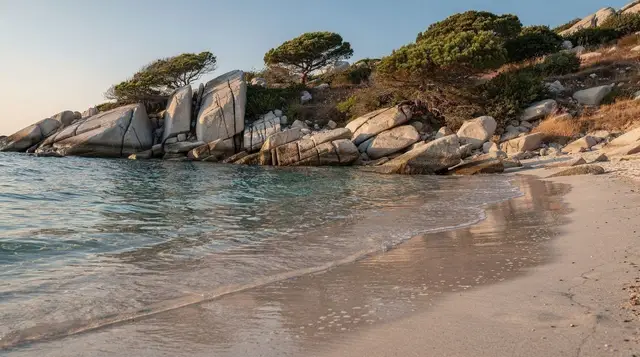
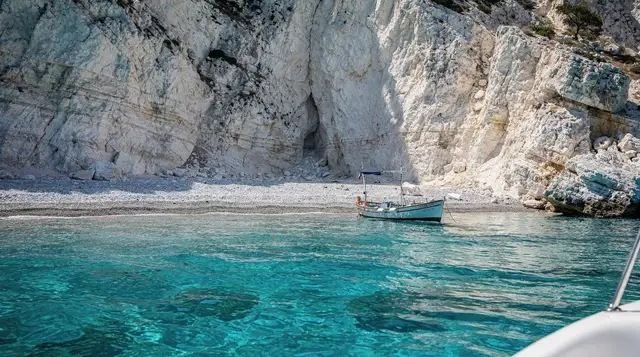
These are our own photographs of Sardinia, not the operator's pictures of this tour — open the tour page to see those.