How warm is the sea in Sardinia in May and October
July and August get the crowds, but the sea itself doesn’t peak until several weeks after the tourist rush does, which is exactly why shoulder-season swimming in Sardinia rewards a bit of planning rather than assumption. Sardinia in May and Sardinia in October are genuinely swimmable months on the right coast, but “genuinely swimmable” and “as warm as August” are different claims, and conflating them is the most common shoulder-season disappointment.
| May sea temperature | 18-20°C, cooler on the north and northwest coasts |
| October sea temperature | 21-23°C, often warmer than June given the sea’s lag behind air temperature |
| Warmest coast in shoulder season | South and southwest, sheltered from the mistral |
| Coolest coast in shoulder season | Gallura and the far north, more exposed to wind and swell |
Why the sea lags the calendar
Water heats and cools more slowly than air, which is why late September and October — after the year’s warmest air temperatures have already passed — often have warmer sea temperatures than June, despite June feeling like it should be the warmer month on paper. The same lag works in reverse each spring: May’s air can feel genuinely warm on land while the sea is still recovering from winter, particularly on north-facing coasts that get less direct afternoon sun.
Which coasts warm up first
The south, around Cagliari, Chia and Villasimius, and the southwest around Carloforte tend to warm earliest in spring and hold their heat longest into autumn, sheltered as they are from the colder currents and stronger winds that affect Gallura and the far north. A late-September or early-October boat day out of Cagliari genuinely still delivers comfortable swimming, unlike some of the more exposed northern coves by that point in the season:
Boat tour with five snorkelling stops from CagliariWhere May swimming works best
Early in the season, the same logic applies in reverse — the south and southwest are the first coasts to become comfortably swimmable, typically a couple of weeks ahead of the north. Villasimius and the Capo Carbonara area are a reliable May bet:
Snorkelling tour around Capo Carbonara from VillasimiusAlghero’s coastline, more exposed to Atlantic-influenced currents than the south, tends to run a degree or two cooler in May but still offers workable snorkelling with a wetsuit for anyone sensitive to cooler water:
Snorkelling tour of the Capo Caccia cliffs from AlgheroApril and November: swimmable, but a genuinely different trip
Stretching the shoulder season a little further in either direction changes the calculation. April’s sea sits closer to 16-17°C on the south coast and cooler still further north, which is workable for a brief, brisk swim but not really “swimming” in the way most visitors mean the word — this is more a trip for hiking, archaeology and food than beach time.
November mirrors this on the other side of the calendar, with sea temperatures typically down to 17-19°C and a growing number of coastal restaurants and beach clubs closed for the season, covered in our Sardinia in winter guide. Both months can work well for a trip built around something other than the beach, but neither should be booked expecting a genuine swimming holiday.
East coast versus west coast in shoulder season
The Gulf of Orosei on the east coast and the west coast around Oristano and the Sinis peninsula behave differently in shoulder season, beyond the general south-versus-north pattern already covered.
The east coast’s coves, many reachable only by boat or a hike, lose a meaningful part of their appeal in shoulder season if the operator running boats to Cala Luna or Cala Mariolu has cut back its schedule — worth checking before building a shoulder-season trip specifically around them. The west coast, more exposed to Atlantic-influenced swell and wind, particularly the mistral, sees more day-to-day weather variability in spring and autumn than the sheltered south, which can mean a genuinely lovely calm day followed by one better spent inland.
What a wetsuit adds
A 2-3mm shorty wetsuit extends comfortable swimming into both shoulder-season windows for anyone who runs cold, and it’s genuinely worth packing or renting locally if snorkelling rather than a quick dip is the goal — see diving in Sardinia and best snorkelling spots in Sardinia for where the water quality rewards spending real time in it rather than a brief swim.
For anyone diving rather than snorkelling, a full 5mm wetsuit is the more realistic choice for May and October, stepping up to a 5-7mm semi-dry setup for the colder edges of April and November if diving at all that early or late in the year. Dive centres covered in diving in Sardinia typically rent the appropriate thickness for the month, which is usually a more practical option than travelling with bulky gear for what might be a single dive day.
Checking conditions before you travel
Sea temperature averages are a useful planning tool, but any given week can run a degree or two either side of the seasonal norm depending on recent weather — a run of hot, still days can warm shallow bays noticeably ahead of schedule, while a spell of strong mistral can cool the north coast and stir up enough swell to make swimming unpleasant even in a normally reliable window. Checking a local marine forecast a few days out, rather than relying purely on the monthly averages here, is worth the extra five minutes for anyone whose trip genuinely hinges on swimming conditions.
Weather beyond the water temperature
Air temperature and wind matter as much as sea temperature for how a shoulder-season swim actually feels — see Sardinia in September for the month that splits the difference best between warm air, warm sea and manageable crowds, generally considered the strongest all-round month on the island by repeat visitors.
Frequently asked questions about shoulder-season swimming in Sardinia
Is the sea warm enough to swim in Sardinia in May?
Yes on the south and southwest coasts, generally 18-20°C; the north and northwest run a degree or two cooler and suit a wetsuit better for extended swimming.
Is October sea temperature better than June in Sardinia?
Often yes — the sea lags the calendar, so October’s water, still holding summer’s accumulated warmth, can be comparable to or warmer than June’s.
Which coast is warmest for shoulder-season swimming?
The south and southwest, around Cagliari, Chia, Villasimius and Carloforte, sheltered from the colder currents and stronger winds affecting the north.
Do I need a wetsuit for shoulder-season swimming in Sardinia?
Not strictly necessary for a quick swim, but a light wetsuit extends comfortable time in the water considerably, especially for snorkelling or diving.
What is the best all-round shoulder-season month in Sardinia?
September, which combines warm sea temperatures, generally settled weather and noticeably fewer crowds than July or August.
Are boat tours still running in May and October?
Yes, most operators run a reduced shoulder-season schedule; booking ahead is less critical than in summer but weather-related cancellations are somewhat more common.
Is April or November swimmable in Sardinia?
Only marginally — sea temperatures typically sit in the mid-to-high teens, workable for a brief dip but not a genuine swimming holiday; both months suit a hiking- or food-focused trip better.
Which coast has more reliable weather in shoulder season?
The south, sheltered from the mistral, tends to have more day-to-day consistency in spring and autumn than the more exposed west coast around Oristano and the Costa Verde.
Seasonal experiences on GetYourGuide
Verified deep-linked GetYourGuide tours. Book through these links and we earn a small commission at no cost to you.
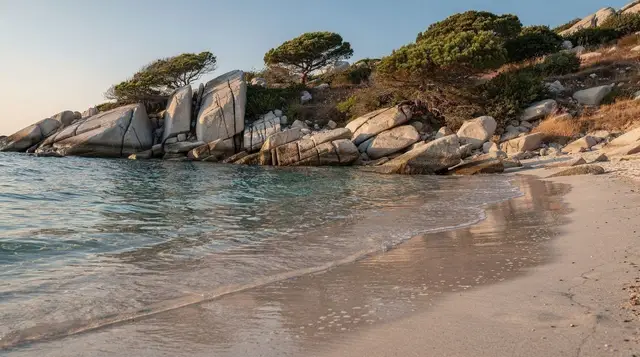
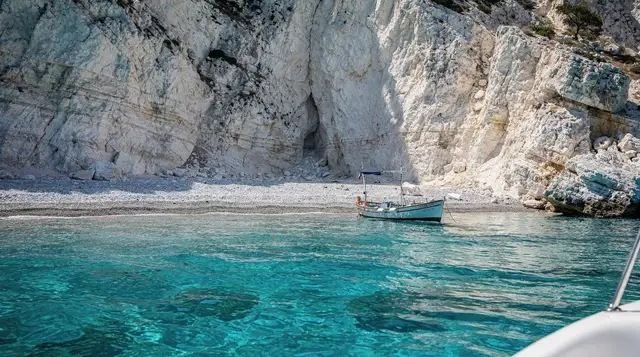
These are our own photographs of Sardinia, not the operator's pictures of this tour — open the tour page to see those.