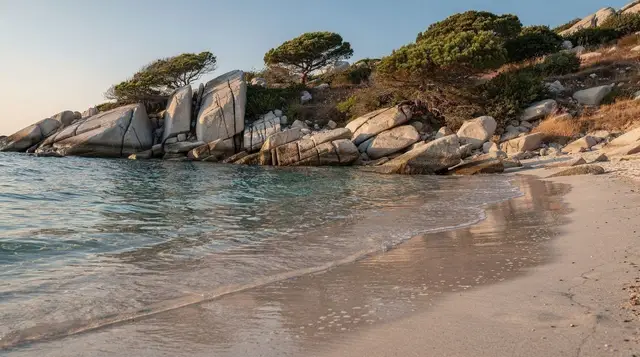
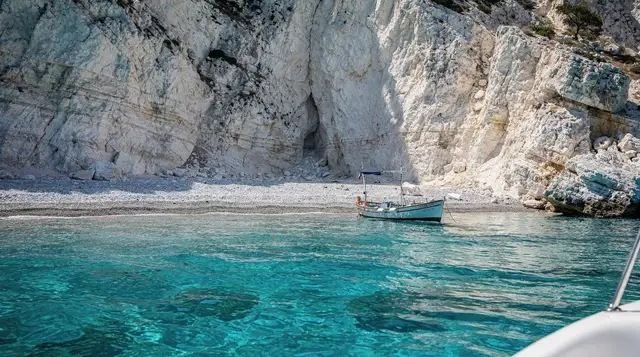
Sardinia in September
Is September a good time to visit Sardinia?
Yes — for most travellers it's the best month on the island. The sea is at its warmest of the year (24-26°C), daytime temperatures sit around 26-29°C rather than August's 35°C, prices for hotels and car hire drop 20-30% after the 20th, and the beaches that were unbearable in August become genuinely pleasant again.
Why September beats August for most visitors
The sea in Sardinia holds its heat through the summer and peaks in September at 24-26°C — warmer than July, because the Mediterranean takes months to catch up with the air temperature above it. Meanwhile the air itself cools from August’s frequently 34-35°C highs to a much more comfortable 26-29°C, and the scirocco heatwaves that make late July and August genuinely uncomfortable become rarer after the first week of the month. You get the warmest swimming of the year with roughly a third fewer people on the sand. It’s the single best trade-off the Sardinian calendar offers, and locals will tell you the same thing if you ask.
| Early September (1-15) | Late September (16-30) | |
|---|---|---|
| Sea temperature | 25-26°C | 23-25°C |
| Air temperature | 28-30°C | 25-27°C |
| Crowds | Still busy, Italian school holidays | Noticeably quieter after the 15th |
| Hotel prices | Near-peak in Costa Smeralda and Chia | Down 15-25% from August |
| Car hire | Book 3-4 weeks ahead | Book 1-2 weeks ahead |
| Rainfall | Rare | Occasional afternoon storm |
Crowds thin out fast after the 15th
Italian schools go back around 12-15 September, and that single date changes the island. The first two weeks still feel like peak season on the Costa Smeralda and around Chia — plenty of Italian and German families squeezing out a last week of summer — but from the third week onward, car parks at La Pelosa and Tuerredda that filled by 9am in August have space until midday, restaurants stop needing reservations days ahead, and roads to the Gulf of Orosei trailheads are noticeably calmer.
If your dates are flexible, aim for the last ten days of the month for the best balance of warm water and thin crowds. For a broader look at how the whole year compares, see the best time to visit Sardinia.
Prices come down, but not everywhere at once
Accommodation is the first thing to drop — expect 15-30% off August rates for the same agriturismo or hotel room booked in the last two weeks of September, with the steepest discounts around Costa Rei and inland farmhouses rather than beachfront properties, which hold their prices longer. Car hire follows a similar pattern: an economy car that cost €65-80/day in mid-August often comes down to €40-55/day by late September.
Restaurant menus and boat tour prices barely move — operators run the same rates through the whole high season into early October, so don’t expect a discount on a sailing catamaran day trip with lunch from Alghero just because it’s September rather than August.
What’s still open, and what’s starting to wind down
September is still comfortably within the operating season for almost everything. Boat tours to the Gulf of Orosei and around Alghero run full schedules through the whole month — the boat tour to Cala Goloritzé and Cala Mariolu from Arbatax keeps its regular departures, and permit quotas for hiking into Cala Goloritzé are still in force, just easier to book than in August.
Beach clubs (stabilimenti) mostly stay open through the month, some trimming hours in the final week. Where you’ll notice a difference is smaller, family-run beach bars on quieter stretches of the west coast, some of which close for the season by 20-25 September rather than running into October. If you’re planning a specific out-of-the-way beach day, it’s worth checking opening dates directly rather than assuming.
Sea conditions and wind
September brings the first proper mistral events of the shoulder season — sharp north-westerly winds that can blow for two to three days and cancel boat trips on the west and north coasts, including around Alghero and Capo Caccia. The east coast and Gulf of Orosei are more sheltered from the mistral specifically, though they take the brunt of any scirocco from the south-east, which is much rarer this time of year.
Practically: build one buffer day into any boat-tour-dependent itinerary, and check the operator’s forecast the day before rather than assuming a booked slot means calm seas guaranteed — most Alghero operators, including for a hidden coves boat tour with aperitif and snorkelling, will rebook or refund a wind cancellation but can’t control the weather itself.
Where September works best on the island
The north-west around Alghero is arguably at its best this month — the harbour town keeps its summer energy without August’s parking chaos, and a sunset catamaran tour from Alghero in late September, with the light softening earlier and the heat gone from the air, is one of the better ways to spend an evening on the island.
The south around Cagliari holds warmth a little longer into autumn than the north, useful if your trip runs into early October. The Gulf of Orosei stays spectacular but the water temperature drop is felt first here, since the cliffs shade parts of the coast by mid-afternoon. For beach-specific planning by region, our best beaches in Sardinia guide breaks down which coast suits which September dates.
A typical September day, by region
On the west coast, a September day around Alghero often starts with a slower morning in the old town before the afternoon heat, since the harbour cafés stay properly busy without August’s queue-out-the-door feel, followed by a boat trip or a drive out to Capo Caccia in the late afternoon light.
In the south, a Cagliari-based day tends to split between a morning at Chia or Villasimius while the beach is at its quietest and an evening back in the city for dinner in Castello, since restaurant bookings that needed a week’s notice in August are workable with a same-day call by late September. On the east coast, days built around Cala Gonone or Arbatax lean more heavily on the boat schedule — mornings are calmest for crossing to the Gulf of Orosei coves before any afternoon wind builds, a pattern that holds through most of the shoulder season.
Driving and logistics in September
Traffic on the SS131 and the coastal roads noticeably eases after the 15th — August’s queues into Alghero and along the Costa Smeralda access roads are essentially gone by the last week of the month. It remains true year-round that Sardinia needs a hire car for most beach-focused itineraries, since ARST buses run infrequently outside the main towns. Fuel and car hire deposits are unchanged from summer. If you’re building a week or ten-day trip around this month, how many days do you need in Sardinia and Sardinia on a budget both cover September-specific numbers worth reading before you book flights.
The south coast in September
Cagliari and the beaches around it — Chia, Villasimius, Costa Rei — hold their summer warmth a touch longer into autumn than the north, since the south-facing coastline catches more direct afternoon sun even as the air cools.
September here still supports a proper beach week, and the city itself is worth building a day or two around: the Bastione di Saint Remy and the Castello quarter are far more pleasant to walk in September’s mid-20s heat than August’s mid-30s. Villasimius, an hour east of the city, keeps its water calm and clear enough for good snorkelling well into the month around the Capo Carbonara marine protected area, and by the last week the drive out no longer means fighting August’s beach traffic on the SS125.
Food, wine and festivals worth timing a trip around
September overlaps with the grape harvest across Sardinia’s Cannonau and Vermentino-producing areas, and while it’s a quieter month for the island’s biggest set-piece festivals compared with May’s Cavalcata Sarda or August’s Redentore in Nuoro, it’s arguably the best month for food itself. Wineries in Gallura and around Oristano often open harvest-season tastings without the summer queue, restaurants shift toward heartier autumn menus — porceddu, wild boar ragù, the first of the season’s mushrooms in the interior — and seafood stays at its best with the sea still warm.
If food and wine matter as much as the beach to your trip, pairing a few September beach days with an inland detour toward Cannonau wine country works better in September than in the peak of summer, when interior towns can be uncomfortably hot for a walking tour.
Families travelling in September
September splits into two very different weeks for families. The first fortnight overlaps with the tail of the Italian and German school holidays, so playgrounds, kids’ clubs and family-oriented restaurants are all still fully staffed and running normal hours — useful if you’re relying on that infrastructure.
After the 15th, those same facilities start trimming their schedules even while the beaches themselves stay warm and welcoming, which suits families who don’t need organised kids’ activities and would rather have empty sand. Either half of the month avoids August’s worst heat for young children, one of the more common complaints about a peak-summer Sardinia trip with kids — see Sardinia with kids for broader family planning.
Photography and light
The quality of light shifts noticeably through September — the harsh, flat midday sun of midsummer softens as the sun angle drops, giving longer, warmer golden-hour windows in both the morning and evening that photographers specifically travel for. A sunset boat tour booked in the second half of September, along the lines of the one covered above, tends to catch noticeably better colour in the sky and on the water than the same trip in July, when the sun drops faster and flatter.
Coastal towns photograph better too, once the worst of the crowds and the midday glare have eased. Daylight also shortens noticeably through the month — sunset drifts from around 8pm in the first week to just after 7pm by the 30th — worth factoring into evening boat tours and dinner reservations timed around golden hour.
Frequently asked questions about visiting Sardinia in September
Is the sea warm enough to swim in September?
Yes, and it’s usually the warmest month of the year for swimming — sea temperatures hold at 24-26°C for most of September, cooling gradually toward the low twenties only in the final week.
Do I need to book accommodation far ahead for September?
For the first half of the month, yes, especially around the Costa Smeralda and Chia, where Italian and German families are still on holiday. From mid-September onward, 1-2 weeks’ notice is usually enough outside the most popular towns.
Is September better than June for visiting Sardinia?
The sea is warmer in September because it’s had all summer to heat up, but June has longer daylight and slightly lower prices before the July-August peak. For swimming specifically, September wins; for value and daylight hours, June has the edge. See Sardinia in June for the full comparison.
Are boat tours to the Gulf of Orosei still running in September?
Yes, on their full summer schedule through the whole month, including permit-controlled hikes and boat trips to Cala Goloritzé and Cala Mariolu. October sees the schedule start to thin out — see Sardinia in October for what changes.
Does the mistral wind affect September trips often?
It’s more common than in July or August but still not constant — expect one or two multi-day wind events over the month, mostly affecting the west and north-west coasts rather than the sheltered east.
Is late September a good time for hiking?
Yes — cooler air temperatures make trails like the descent to Cala Goloritzé or routes through the Supramonte considerably more comfortable than in August’s heat, without yet running into shorter winter daylight hours.
What festivals or events happen in September?
September is generally quieter for major festivals than spring or midsummer, though local sagre (harvest and food festivals) run in towns across the island, particularly tied to the grape harvest in Cannonau and Vermentino country.
Should I choose September or October for a quieter beach trip?
September still has genuinely warm water with only moderately thinner crowds; October is quieter again but with a real drop in sea temperature and more unpredictable weather. If beach time matters most, September; if you’re prioritising quiet over swimming, October.
Is the Costa Smeralda still busy in September?
Yes, for the first half of the month — it’s one of the last regions to quiet down, since it draws a wealthier clientele less tied to school calendars. By the final week bookings and restaurant availability ease noticeably, though prices stay closer to peak than elsewhere on the island.
Can I combine a September trip with a hiking-focused itinerary?
Yes, and it’s one of the better months for it — cooler air than midsummer without yet losing daylight hours, making routes through the Supramonte and to Cala Goloritzé comfortable for a full day. See hiking in Sardinia for route-specific planning.
Do beach quotas at places like La Pelosa still apply in September?
Yes — the daily access caps at La Pelosa, Cala Goloritzé, Cala Mariolu and the other quota beaches run through the whole high season into September, though slots are noticeably easier to secure than in August. Book ahead regardless rather than assuming availability on the day.
Seasonal experiences on GetYourGuide
Verified deep-linked GetYourGuide tours. Book through these links and we earn a small commission at no cost to you.
These are our own photographs of Sardinia, not the operator's pictures of this tour — open the tour page to see those.