The marine reserve at the tip of Villasimius
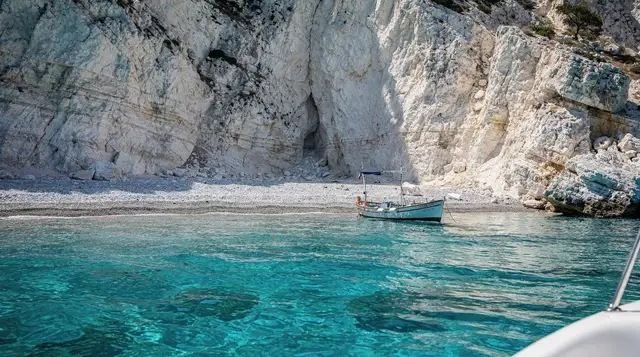
Capo Carbonara is the granite headland that closes off the southern end of the Villasimius peninsula, marked by a lighthouse dating from the 1780s and, since 1998, protected as one of Sardinia’s most tightly managed marine reserves. The reserve does not stop at the cape itself — it extends offshore to cover Isola dei Cavoli and Serpentara, two small islands whose surrounding water is some of the clearest and most biologically rich in southern Sardinia, precisely because motorised access and fishing are restricted across large parts of it.
Where the town of Villasimius is about beaches, restaurants and a base to sleep, Capo Carbonara is specifically the water — the reason dive schools cluster in Villasimius rather than anywhere else on the south coast. The reserve is divided into three protection zones with different rules on anchoring, fishing and diving, which matters if you are planning to explore independently by kayak or dinghy rather than on an organised boat.
| Location | Southern tip of the Villasimius peninsula, south Sardinia |
| Established | 1998, as a Marine Protected Area (Area Marina Protetta) |
| Covers | The cape and lighthouse, plus Isola dei Cavoli and Serpentara offshore |
| Access | By boat for the islands; the cape and lighthouse are reachable on foot or by car |
| Best time to visit | June-September for warmth and visibility; May/October for fewer boats |
The three protection zones
Like most Italian marine reserves, Capo Carbonara is split into zones A, B and C, each with different restrictions. Zone A, the strictest, covers the waters immediately around Isola dei Cavoli and is closed to fishing and largely to unguided access — this is where the seagrass meadows and the healthiest fish populations are found, and where organised dive boats concentrate. Zone B, a buffer around Zone A and along parts of the cape itself, allows some regulated activity including guided diving and controlled boat access. Zone C, the widest and least restricted, covers the rest of the reserve’s waters and is where most recreational boating, including self-drive dinghy and kayak routes, is permitted.
In practice, this means the more spectacular parts of the reserve — Isola dei Cavoli’s clearest water — are seen properly only on an organised, permitted boat trip, while independent exploration by rented dinghy or kayak covers Zone C well but will not get you into the best-protected areas. This is worth knowing before you rent a boat expecting to reach the islands unguided.
Isola dei Cavoli
Isola dei Cavoli is the smaller, closer of the two islands, capped by a 19th-century lighthouse and ringed by granite boulders that drop into remarkably clear water. It sits within Zone A, so access is by permitted boat trips rather than independent sailing, and the payoff is genuinely good visibility, seagrass meadows that shelter juvenile fish, and a reasonable chance of spotting groupers on a dive.
The boat trip combining Isola dei Cavoli and Punta Molentis beach is the standard way to see the island alongside one of Villasimius’s best beaches in a single half-day, and the self-drive dinghy tour to Isola dei Cavoli is the option for anyone who wants to set their own pace within the permitted route rather than follow a fixed group itinerary.
Serpentara
Serpentara lies further offshore and sees noticeably fewer visitors than Isola dei Cavoli, which is exactly its appeal for divers and snorkellers wanting quieter water. The island itself, named for its snake-like shape rather than any actual snake population, has a small semaphore tower and is uninhabited; its surrounding reef is less picked-over than the more popular sites closer to Villasimius. Multi-site diving trips such as the Isola dei Cavoli, Serpentara and Capo Carbonara diving tour combine both islands with the cape itself in a single outing for certified divers wanting to compare all three in one day.
Diving Capo Carbonara
The reserve’s dive sites range from shallow reef suitable for absolute beginners to deeper wall and wreck dives for certified divers, including a WWII-era vessel further out that is a well-known technical dive among local operators. If you have never dived before, the first-time discover dive at Capo Carbonara and the discover scuba diving experience are both built around a shore briefing followed by a shallow, supervised dive, no certification required.
Certified divers have considerably more of the reserve open to them, particularly the Zone A sites around Isola dei Cavoli; see our diving in Villasimius and Capo Carbonara guide for certification requirements and water temperatures by month, and diving in Sardinia for how the reserve compares with sites elsewhere on the island.
| Site | Depth range | Suits |
|---|---|---|
| Isola dei Cavoli reef | 5-20m | Beginners to intermediate |
| Serpentara wall | 10-30m | Intermediate to advanced |
| WWII wreck | 30m+ | Advanced/technical, certification required |
| Capo Carbonara shore reef | 3-12m | First-time divers, discover-dive sessions |
Snorkelling and boat trips for non-divers
You do not need to dive to appreciate the reserve — snorkelling directly off a boat in Zone A or B waters shows a surprising amount even at the surface, given the water clarity. The Capo Carbonara boat and snorkelling tour is the most accessible way to experience the reserve without diving certification, typically stopping at two or three points around the cape and islands over a half-day.
For a longer, more relaxed day with lunch included, the catamaran day trip with lunch along the southern coast takes in Capo Carbonara as part of a wider run along the south coast. Our best snorkelling spots in Sardinia guide places the reserve in context against other snorkelling sites island-wide.
The lighthouse and the cape on land
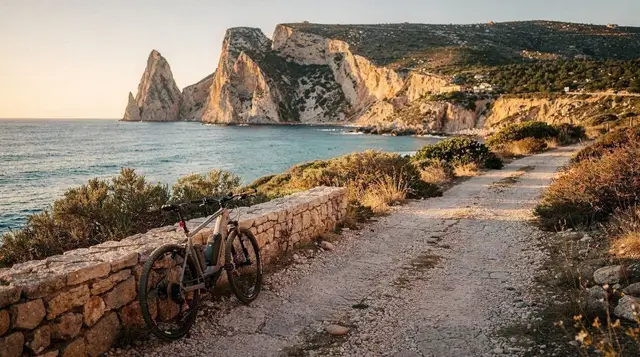
Away from the water, the cape itself is worth a short visit on foot — a rough track leads out toward the lighthouse from the road above Spiaggia del Riso, with views back along the coast toward Punta Molentis and, on a clear day, across to the islands. There is no visitor centre or organised access to the lighthouse building itself, which remains a working navigational aid rather than a museum, but the walk out is free, unshaded and best done in the cooler part of the day.
Frequently asked questions about diving and boat trips at Capo Carbonara
Do I need a permit to visit Capo Carbonara independently?
Individual visitors do not need a personal permit, but boat operators running trips into the reserve, particularly Zone A around Isola dei Cavoli, must hold authorisation — which is why booking with an established local operator rather than an unofficial arrangement matters here.
Is Capo Carbonara suitable for snorkelling without diving experience?
Yes — much of the reserve’s appeal is visible from the surface given the water clarity, and several boat trips are built specifically around snorkelling stops rather than scuba diving.
How is Capo Carbonara different from the rest of Villasimius’s coastline?
Capo Carbonara is the protected headland and marine reserve specifically, with restricted zones and the offshore islands. The rest of Villasimius’s coast — its beaches like Punta Molentis and Porto Giunco — sits outside the strictest protection and is freely accessible by car; see the Villasimius destination guide for the town and beaches themselves.
What is the best time of year to dive at Capo Carbonara?
June to September for the warmest water and best visibility, though May and October see fewer boats and calmer conditions if crowding matters more to you than a couple of degrees of water temperature.
Can beginners see Isola dei Cavoli, or is it only for experienced divers?
Both — the shallower reef around the island suits beginners and discover-dive sessions, while the deeper walls and the wreck further out are for certified, more experienced divers.
Are there restrictions on fishing or collecting shells within the reserve?
Yes, fishing and collecting marine life is prohibited or heavily restricted across most of the reserve, particularly Zone A. This is part of why the water quality and marine life remain noticeably better than unprotected stretches of the south coast.
Is Capo Carbonara affected by the mistral wind like other parts of Sardinia?
The headland gives some shelter compared with the fully open west coast, but a strong mistral can still cancel boat trips to the islands. Build a spare day into a diving-focused itinerary in case a day is lost to wind.