Sardinia in winter
Is Sardinia worth visiting in winter?
For beach holidays, no — most seafront restaurants, beach bars and boat tours close from November to March. For food, wine, hiking, archaeology and genuinely quiet towns, yes, particularly in Cagliari, Alghero and the interior, which stay lived-in year-round while the coast goes quiet.
Winter is a different island, not a quiet version of summer
From November to March, Sardinia essentially runs two separate identities. The coast — the beach clubs, the seasonal restaurants, the majority of boat tour operators — closes down almost entirely, some businesses shuttered from late October until Easter. The towns and the interior do the opposite: Cagliari, Alghero, Sassari and Nuoro keep their normal working rhythm, restaurants stay full of locals rather than tourists, and this is genuinely the best season to see nuraghi, museums and hill towns without a single other visitor in the frame. Anyone arriving expecting a quieter version of the August coast will be disappointed; anyone coming for the towns, food and archaeology will find it works well.
| Coast (beach towns, resorts) | Interior towns and cities | |
|---|---|---|
| Restaurants | Many closed, especially seafront | Open, full of locals |
| Boat tours | Almost entirely paused | N/A |
| Weather | 10-15°C, frequent rain and wind | Similar, colder in the mountains |
| Crowds | Very few visitors | Normal local life, no tourist crowding |
| Best for | Not recommended for a beach trip | Food, wine, museums, hiking, festivals |
What genuinely stays open
Cagliari, as the island’s capital, functions normally all winter — restaurants, the Bastione di Saint Remy, the archaeological museum and the old town of Castello are all open on their standard hours. Alghero keeps a reasonable amount of life too, since fishing and local trade continue regardless of tourist season, and its old town and cathedral remain fully open — see the Alghero old town guide for what’s worth the visit outside summer. Major archaeological sites including Su Nuraxi at Barumini and most of the island’s museums run full winter hours, sometimes with better light and completely empty sites compared to a crowded July visit.
What closes, region by region
The Costa Smeralda essentially shuts for the season — most hotels, restaurants and the majority of shops around Porto Cervo close from November until at least Easter, occasionally later. The Gulf of Orosei’s boat-tour infrastructure around Cala Gonone pauses almost entirely, since the sea conditions and demand don’t support winter operations. Smaller beach towns across the south and west — Chia, Costa Rei, much of the Sinis peninsula — reduce to a handful of open businesses, if any. This isn’t a rule without exception, but it’s the safe assumption to plan around rather than the exception.
The shoulder margins: late autumn and early spring
At the very edges of the season — the first week or two of November, and from mid-March onward — a small number of operators keep limited schedules running, weather permitting, mostly around Alghero where the harbour stays active year-round regardless of tourism.
A sunset sailing cruise with aperitif from Alghero or a mini-yacht excursion boat tour occasionally still runs into early November on a mild, calm day, and some operators resume in March ahead of the main April opening. Treat any winter-dated boat tour as speculative rather than guaranteed — confirm directly with the operator close to your travel date, and build a backup plan that doesn’t depend on it.
Weather and what to pack
Winter in Sardinia is mild by northern-European standards but genuinely wet and windy compared with the rest of the year — daytime temperatures of 10-15°C are normal, dropping close to freezing overnight in the interior around Fonni and the Gennargentu, which occasionally sees snow. Rain is concentrated in shorter, heavier bursts rather than constant drizzle, and the mistral and other strong winds are more frequent and longer-lasting than in any other season. A proper waterproof layer matters more here than sun cream — see Sardinia packing list for the full seasonal breakdown.
What winter is actually good for
Food and wine take centre stage — this is when Cannonau and Vermentino producers are between harvest and the next vintage, and many wineries offer tastings without the summer queue, covered in our wine tours in Sardinia guide. Hiking conditions in the lowlands are excellent, with cool, clear days and none of the summer heat risk, though mountain routes in the Gennargentu need proper winter gear.
Sant’Efisio and Sartiglia, two of the island’s biggest festivals, fall either side of this season — worth checking the Sardinia festivals calendar if a specific event could shape your dates. Museums and nuraghi sites, mentioned above, are arguably at their best now, photographed and explored without another visitor in sight.
Getting around in winter
Driving remains the only realistic way to see the island outside the main towns — renting a car in Sardinia is even more essential in winter, since ARST bus frequency drops further on routes serving smaller coastal villages. Roads themselves are unaffected beyond normal wet-weather caution; snow closures are rare and limited to the highest interior passes.
Flights and ferries run a reduced winter schedule
Airline and ferry capacity to Sardinia drops sharply outside the main season, and this affects winter trips more directly than almost any other planning factor. Olbia Costa Smeralda and Alghero-Fertilia both see meaningfully fewer routes and lower frequency from November through March, with some seasonal routes suspended entirely until spring — Cagliari-Elmas holds up best of the three, since it serves the capital and functions as a year-round hub rather than a purely seasonal leisure airport.
Ferries from the mainland follow a similar pattern, with reduced sailings from Civitavecchia, Genoa and Livorno and some routes running only a few times a week rather than daily. Book winter travel dates with this in mind — see ferries to Sardinia and getting to Sardinia by air for the specific route-by-route detail.
A realistic three-day winter itinerary
A short winter trip works best anchored in Cagliari rather than split across the coast. Day one covers the city itself — the Castello quarter, the Bastione di Saint Remy, and the archaeological museum, all fully open and largely visitor-free. Day two is a day trip inland to Barumini for Su Nuraxi, paired with a wine-tasting stop in the Marmilla if a winery is open that week — worth confirming ahead, since not every producer runs winter tastings. Day three heads to Alghero for the old town and a coastal walk around Capo Caccia, weather permitting, before returning to Cagliari or flying out from Alghero-Fertilia directly if the flight schedule allows it that week.
Christmas and New Year specifically
The period around Christmas and New Year is a small exception to the general winter closure pattern — Cagliari and Alghero both put on festive markets and lights, restaurants in the main towns often run special holiday menus, and hotel occupancy actually rises for the ten days or so either side of the new year as Sardinian families travel to see relatives and some Italian visitors take a short winter break. It’s still nothing like a summer crowd, but it’s noticeably livelier than a random Tuesday in January. See Sardinia Christmas and winter for what specifically runs over the holiday period.
Carnival season toward the end of winter
Late February into March, depending on the year’s calendar, brings Sardinia’s most distinctive winter event — Carnival, particularly the Mamuthones of Mamoiada and similar masked traditions in nearby interior towns. These aren’t tourist performances staged for visitors; they’re genuine local traditions that happen to be extraordinary to watch, involving heavy wooden masks, sheepskins and processions with roots that predate most written records of the island. If a winter trip can be timed around Carnival, it’s arguably the single best reason to visit this season specifically, covered in full in the Sardinia carnival guide.
Budget advantages of a winter trip
Winter is comfortably the cheapest season to visit Sardinia for the towns and interior experiences that do stay open — flights into Cagliari-Elmas in particular can be found considerably below summer fares, hotel rates in the cities that operate year-round drop well below their peak-season pricing, and restaurants without a seasonal tourist markup charge closer to what locals actually pay. For a full seasonal cost comparison, Sardinia on a budget breaks down how much winter can save against a summer trip covering similar ground.
What a winter day actually costs, in real euros
The price gap between winter and summer is one of the most concrete reasons to consider this season, so it’s worth putting real numbers against it rather than a vague “it’s cheaper” claim. These are typical 2026 winter prices for the towns that stay open, set against summer for comparison.
| Item | Winter (Nov-Mar) | Summer (Jul-Aug) |
|---|---|---|
| Economy hire car, per day | €25-35 | €55-80 |
| 3-star hotel double, Cagliari | €70-95 | €150-190 |
| Three-course dinner, mid-range restaurant | €28-35 | €35-45 |
| Su Nuraxi di Barumini entry | €9 | €9 |
| Cagliari archaeological museum entry | €8 | €8 |
| Guided wine tasting, around 90 minutes | €15-25 per person | €20-30 per person |
Museum and archaeological site entry fees barely move with the season, since they’re set centrally rather than by demand, but everything involving a private business — hotels, car hire, restaurants without a fixed menu — drops noticeably once the coast empties out.
Wineries that keep tasting appointments running in winter
Wine tourism is one of the few coastal-adjacent activities that doesn’t fully pause for winter, because the wineries themselves are working cellars rather than seasonal beach concessions. Sella & Mosca, just outside Alghero, is large enough to run cellar tours and tastings on a fixed winter schedule rather than only by request.
Argiolas, in Serdiana near Cagliari, and Cantina Santadi in the Sulcis both continue tastings through the off-season too, though appointment-only rather than walk-in, since winter staffing is lighter than during the summer’s constant stream of visitors. Calling or emailing a day or two ahead is worth doing regardless of season, but it matters more in winter, when a producer might genuinely have nobody free to pour for a walk-in visitor on a quiet Tuesday afternoon.
Frequently asked questions about visiting Sardinia in winter
Is Sardinia open for tourism in winter?
Partially — Cagliari, Alghero and the interior function normally year-round, but much of the coastal tourist infrastructure, including most boat tours and seasonal restaurants, closes from November to March.
What’s the coldest it gets in Sardinia in winter?
Coastal towns rarely drop below 5-8°C even at night; the interior, particularly the Gennargentu around Fonni, can approach freezing and occasionally sees snow.
Can I book a boat tour in Sardinia in December or January?
Realistically no for most operators — the season pauses almost entirely. A handful of Alghero-based operators run limited, weather-dependent trips at the very edges of autumn and spring, but December and January are effectively closed.
Is it worth visiting the Costa Smeralda in winter?
Not for the resort experience — most hotels and restaurants there close for the season. The scenery and coast road are still accessible for a drive, but plan meals and accommodation elsewhere.
Are museums and archaeological sites open in winter?
Yes, on their normal or slightly reduced winter hours, and this is genuinely one of the best times to visit sites like Su Nuraxi or Nora without crowds.
Is it safe to hike in Sardinia in winter?
Yes at lower elevations, with normal winter-weather caution; mountain routes in the Gennargentu need proper cold-weather gear and shorter daylight hours limit how much ground you can cover.
Do I still need a rental car in winter?
Yes, if anything more than in summer — reduced bus frequency on rural routes makes a car the only reliable way to reach most towns and sites outside Cagliari and Alghero.
When does the coast start reopening for the season?
Most seasonal coastal businesses begin reopening from late March into April, with the full season generally in place by late April or early May — see Sardinia in May for what to expect at the very start of the season.
Is Sardinia cheaper to visit in winter than in summer?
Considerably — flights, hotel rates in the towns that stay open, and restaurant prices without a summer tourist markup all sit well below peak-season levels, making winter the best-value time to focus on Cagliari, Alghero and the interior.
Is Carnival in Sardinia worth planning a winter trip around?
Yes, particularly the Mamuthones tradition in Mamoiada and similar events in nearby towns — these are genuine local rituals rather than staged tourist events, and they’re arguably the single best reason to choose a winter over an autumn or spring visit.
Does Sardinia get snow in winter?
Rarely at sea level, but the interior highlands around the Gennargentu and Fonni occasionally see snow, sometimes enough for brief local skiing at small facilities — not comparable to an alpine destination, but a genuine winter landscape in parts of the interior.
Are flights to Sardinia harder to find in winter?
Not harder to find, but more limited in choice — expect fewer routes and lower frequency into Olbia and Alghero specifically, with Cagliari-Elmas holding the most consistent year-round schedule of the three airports.
Is a winter trip to Sardinia suitable for a first visit to the island?
It can work well if your priorities are food, wine, archaeology and quiet towns rather than beaches — but if a first Sardinia trip is meant to include the coast’s signature coves and boat trips, a shoulder or summer month serves that goal far better.
Seasonal experiences on GetYourGuide
Verified deep-linked GetYourGuide tours. Book through these links and we earn a small commission at no cost to you.
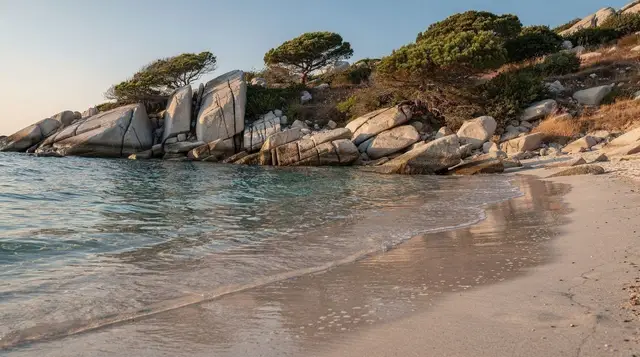
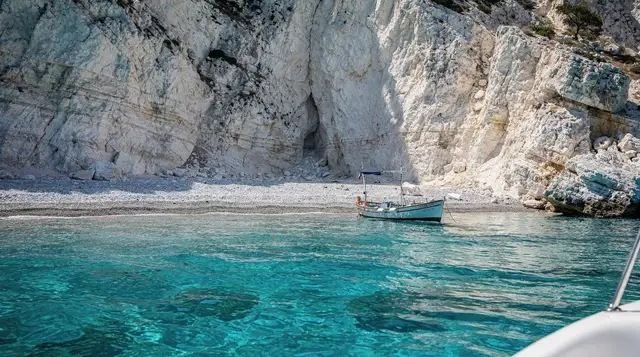
These are our own photographs of Sardinia, not the operator's pictures of this tour — open the tour page to see those.