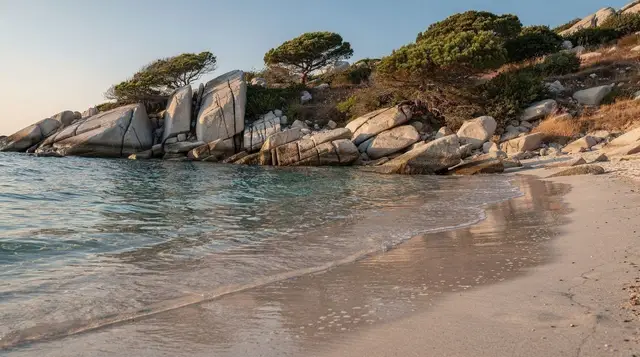
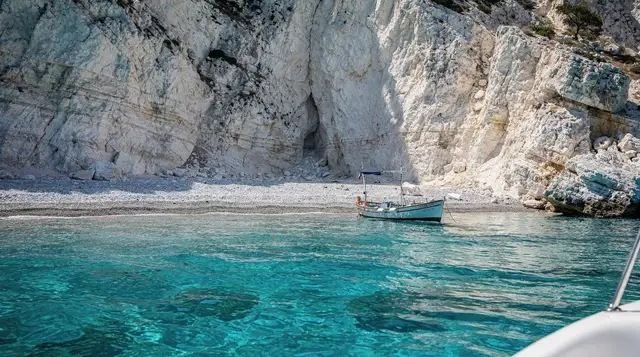
The Sardinian coves that still take real effort to reach
Most of Sardinia’s famous coves have been thoroughly discovered — La Pelosa and Cala Goloritzé now run booked-entry quota systems precisely because word got out. But the island’s coastline is long enough, and its interior rugged enough, that a genuine handful of coves still require a proper hike, a boat with no road access, or both, and the crowd drops off fast the moment either barrier appears.
| What “hidden” means here | No direct road access — reachable only by boat, or by a hike of 45 minutes or more |
| Where they cluster | The Gulf of Orosei coastline, between Cala Gonone and Baunei |
| How to reach them | A boat tour from Cala Gonone or Santa Maria Navarrese, or the hiking routes on foot |
| Best months | June and September — same access, far fewer boats |
Why the Gulf of Orosei is where they still exist
The Gulf of Orosei is a 40km limestone coastline backed by the Supramonte massif, with almost no road access along most of its length — the coastal road simply doesn’t exist for long stretches, which is the entire reason these coves survived undeveloped. Every cove here is reached either by boat from Cala Gonone or Santa Maria Navarrese, or on foot via trails that can run to several hours each way. That structural barrier, rather than remoteness in the abstract, is what keeps the crowd numbers down relative to a beach you can simply drive to.
Alghero hidden coves boat tour with aperitif and snorkellingCoves worth the extra effort
Cala Mariolu, with its distinctive pale pebbles rather than sand, and Cala Goloritzé, beneath its limestone spire, are the two most photographed and consequently the two with active access quotas — book ahead or arrive on an early boat if you want either without a queue. Less known even than these two: the coves along the stretch south of Baunei that most day-boat itineraries skip entirely because they’re not the headline stop, reachable only if your boat operator specifically offers a longer, more exploratory route rather than the standard three-cove circuit.
Cala Gonone boat trip to Cala GoloritzéThe hiking route in
For Cala Goloritzé specifically, the walk in from the Golgo plateau takes roughly two hours each way through genuinely striking limestone terrain, and arriving on foot rather than by boat changes the whole experience — you see the spire from above before you see the water, and you’ve earned the swim rather than stepped off a boat into it. It’s part of the wider Supramonte hiking network, and the full multi-day Selvaggio Blu trek links several of these coves together for anyone with the fitness and time for it.
Arbatax boat tour to Cala Goloritzé and Cala MarioluThe quota system, and why it exists here specifically
Sardinia’s beach access quotas exist precisely because coves like these were being loved to death — Cala Goloritzé and Cala Mariolu both cap daily numbers and, in Goloritzé’s case, charge an entry fee that funds trail maintenance. It’s a genuine trade-off: the quota is exactly why these places haven’t been paved and developed the way more accessible beaches have, and booking ahead is a small price for that. Carrying sand away from any of these beaches carries fines from €500 to €3,000 — a rule enforced more strictly here than almost anywhere else on the island, given how much of the appeal is the specific colour and texture of the stone itself.
Beyond the Gulf of Orosei
The Gulf of Orosei has the highest concentration, but it’s not the only place this pattern holds. Coves around Baunei and the wider Ogliastra coastline follow the same logic — the less the road network reaches, the emptier the water. If your trip is entirely coastal-road-based, it’s worth carving out at least one boat day specifically to reach a cove you can’t drive to, since it’s genuinely the biggest single difference between a standard Sardinian beach day and a memorable one.
The northwest: a different kind of hidden
The Gulf of Orosei isn’t the only place the pattern holds — the cliffs around Capo Caccia, near Alghero, hide a scatter of small coves accessible only by boat or a genuinely steep scramble down from the clifftop, distinct from the more visited Neptune’s Grotto crowd. The coastline here is shorter and better known than the Gulf of Orosei, so “hidden” is relative, but a boat tour that goes beyond the standard grotto stop reaches coves most day-trippers never see:
Alghero and Capo Caccia coastal tourUnlike the Gulf of Orosei, these coves are reachable within a half-day from Alghero rather than requiring a full-day boat charter from Cala Gonone, making the northwest the more practical option for a shorter trip.
What to actually bring
None of these coves have facilities — no kiosk, no lifeguard, no shade beyond what the cliffs themselves provide, so the basics matter more here than on a developed beach. Bring more water than feels necessary (there’s nowhere to refill), proper shoes for the boat’s rocky entry points or the hike itself rather than flip-flops, and reef-safe sunscreen applied before you leave rather than on the boat, since swimming straight after applying it works against the point of using it. A dry bag for a phone and any documents is worth the €5-10 it costs, given how many of these approaches involve wading in from a dinghy rather than stepping onto a jetty.
Frequently asked questions about Sardinia’s hidden coves
What is the most remote cove in Sardinia?
Several stretches of coastline south of Baunei along the Gulf of Orosei have no boat-tour stops and no trail access, making them effectively unreachable for casual visitors — the closest thing to genuinely inaccessible without a private boat.
Do I need to book to visit Cala Goloritzé or Cala Mariolu?
Yes, both operate under access quotas, and Goloritzé charges an entry fee. Book ahead in July and August especially.
Can I reach the Gulf of Orosei coves by car?
No — there is no continuous coastal road through most of the Gulf of Orosei. Access is by boat from Cala Gonone or Santa Maria Navarrese, or by hiking trails.
How long is the hike to Cala Goloritzé?
Roughly two hours each way from the Golgo plateau, over rocky limestone terrain — allow a full day for the round trip with time to swim.
Is it true you can be fined for taking sand from Sardinian beaches?
Yes, fines range from €500 to €3,000, and enforcement is genuinely active, particularly on well-known and quota-controlled beaches like these.
What is the best month to visit these coves with fewer crowds?
June and September offer the same access and warm water as peak summer with noticeably fewer boats and hikers.
Are the coves near Capo Caccia as remote as the Gulf of Orosei ones?
Not quite — Capo Caccia is closer to Alghero and easier to reach on a half-day tour, so treat it as the more practical option rather than an equally remote alternative.
Do I need to bring my own water and food to these coves?
Yes — none have kiosks or facilities, so bring more water than you think you’ll need along with any food for the day.
Beach & coastal tours on GetYourGuide
Verified deep-linked GetYourGuide tours. Book through these links and we earn a small commission at no cost to you.
These are our own photographs of Sardinia, not the operator's pictures of this tour — open the tour page to see those.