What we would tell a first-time visitor to Sardinia
Most first-time visitors to Sardinia arrive with a vague sense that it’s “the beach island” and leave having barely understood what else was there. This is what we’d actually tell someone planning their first week — not a rigid itinerary, but the handful of decisions that make the difference between a good trip and a genuinely great one.
Rent a car before you land, not after
This is the single most important piece of advice, and it’s not optional the way it might be for a city break elsewhere in Italy. Buses (ARST) and the limited rail network connect the main towns adequately but miss almost every good beach, cove and archaeological site that makes Sardinia worth visiting. Our renting a car in Sardinia guide covers what to actually book, and our car hire traps guide covers the extras to watch for at pickup — book both the car and, ideally, read that second guide before you arrive, since desk-side upsells catch a lot of first-timers off guard.
Pick one region rather than circling the whole island
The instinct on a first visit is often to try to see everything — Cagliari, the Costa Smeralda, the Gulf of Orosei, Alghero — in a single week. Sardinia’s roads average around 60km/h outside the one short stretch of proper motorway, and a week spent driving between distant regions leaves far too little time actually at any of them. Our how many days do you need in Sardinia guide breaks down realistic pacing; for a genuine first week, picking either the south (Cagliari-based), the north (Olbia/Costa Smeralda-based) or the northwest (Alghero-based) and adding one or two day trips works far better than an ambitious loop.
See at least one nuraghe properly
Sardinia has roughly 7,000 nuraghi, the Bronze Age stone towers unique to the island, and skipping them entirely in favour of beach time is a genuine missed opportunity — this is a piece of European prehistory most visitors have simply never heard of before arriving. Su Nuraxi di Barumini, the UNESCO-listed site, is the obvious choice and worth the detour from Cagliari:
Barumini Su Nuraxi guided tour from CagliariOur nuraghi of Sardinia guide covers alternatives closer to other bases if Barumini doesn’t fit your route.
Understand the beach quota system before you go
Several of the island’s best beaches — La Pelosa, Cala Goloritzè, Cala Mariolu, Cala Brandinchi and Lu Impostu, and Tuerredda — require paid, capped daily access, a system many first-timers don’t discover until they’re turned away at the entrance. Our beach quota rules guide explains how to book each one properly ahead of time.
Eat where the food actually comes from
Culurgiones, malloreddus, porceddu and bottarga are worth seeking out specifically rather than defaulting to whatever’s nearest at mealtime — see our what to eat in Sardinia guide for what to prioritise and where it’s genuinely made rather than imported for a tourist menu. Sardinian wine, particularly Cannonau and Vermentino, is also genuinely distinctive and rarely exported in meaningful quantity, so it’s worth drinking locally rather than assuming you’ll find it at home. A guided food tour on the first or second day, rather than the last, is a genuinely good way to get orientated to what you should actually be ordering for the rest of the week:
Cagliari food tour with a full meal tastingFirst-timer mistakes with driving specifically
Beyond simply renting a car, first-timers consistently underestimate two things about driving in Sardinia: how slow the mountain and secondary coastal roads genuinely are compared to what a map’s distance suggests, and how easy it is to miss the island’s very limited ZTL (limited traffic zone) restrictions in historic town centres like Alghero’s old town or Cagliari’s Castello district, which carry automatic camera fines for driving through without authorisation. Our driving in Sardinia guide covers both in detail — the short version is to always park outside a visibly gated old town rather than assuming a quiet-looking street is open to all traffic.
A realistic shape for the week, not a rigid itinerary
Rather than a day-by-day script, think of a first week as roughly three blocks: two or three days settling into your base region and its closest beaches, a day given over entirely to one inland detour — a nuraghe, a hike, a village — and a day or two exploring slightly further afield within the same region before flying home.
Landing in the morning and picking up a hire car the same day, rather than adding an extra night purely for logistics, is realistic at all three of Sardinia’s airports; see Cagliari-Elmas, Olbia Costa Smeralda and Alghero-Fertilia for what to expect at each. Building in one genuinely unplanned day, without a booked activity, gives room to follow whatever’s caught your interest by that point rather than sticking rigidly to a plan made before arrival.
What a realistic first-week budget looks like
For two people, a comfortable first week — a decent mid-range hotel or agriturismo, a hire car, a mix of casual and sit-down meals, and two or three paid activities — typically lands somewhere around €1,500-2,500 outside August, rising meaningfully above that in peak summer. Our the real cost of a week in Sardinia breaks this down by category in full, and sardinia on a budget covers how to bring it down further without feeling like a compromise trip, mainly through self-catering some meals and picking accommodation slightly inland from the most in-demand coastal strips.
Don’t skip the interior entirely
Almost every first-time itinerary is coastal by default, but the Barbagia villages and the Gennargentu mountains give a genuinely different, quieter side of the island that most repeat visitors specifically make time for on a second trip. Even a single day inland — Mamoiada or Orgosolo’s murals are both manageable additions — changes the overall impression of the island considerably.
Frequently asked questions for first-time visitors
Do I really need a car in Sardinia?
Yes for almost any itinerary beyond a single city stay — public transport misses most of the beaches and archaeological sites that define the island.
Is one week enough for a first visit?
Yes if you focus on one region rather than trying to circle the island; a week spent driving between distant regions leaves too little actual time anywhere.
What’s the one thing most first-timers regret skipping?
The interior — Barbagia villages and the Gennargentu are consistently what repeat visitors say they wish they’d seen on their first trip.
Do I need to book beaches in advance?
For the quota-restricted ones — La Pelosa, Cala Goloritzè, Cala Mariolu, Cala Brandinchi, Lu Impostu and Tuerredda — yes, ideally as soon as your dates are fixed.
Is Sardinia expensive for a first trip?
It can be in August; see our cheapest time to visit Sardinia guide for how much timing changes the overall cost.
Should I plan a strict daily itinerary for a first week?
No — a loose structure of two or three days settled near your base, one inland day, and some genuinely unplanned time works better for a first trip than a tightly scheduled itinerary.
Do historic town centres have driving restrictions I should know about?
Yes — several old towns, including parts of Alghero and Cagliari’s Castello district, have limited traffic zones enforced by camera, so park outside a visibly gated centre rather than driving in.
Trip-planning essentials on GetYourGuide
Verified deep-linked GetYourGuide tours. Book through these links and we earn a small commission at no cost to you.
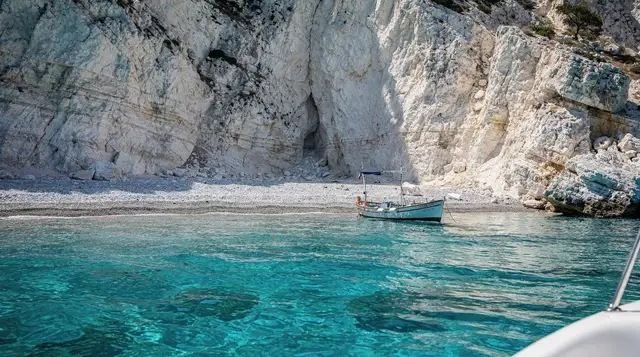
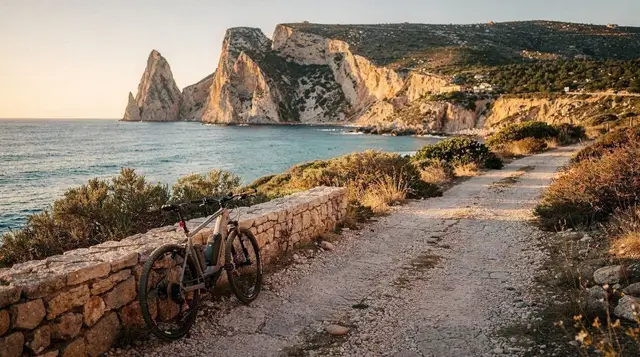
These are our own photographs of Sardinia, not the operator's pictures of this tour — open the tour page to see those.