Fines and scams to know in Sardinia
What's the most common fine visitors get in Sardinia?
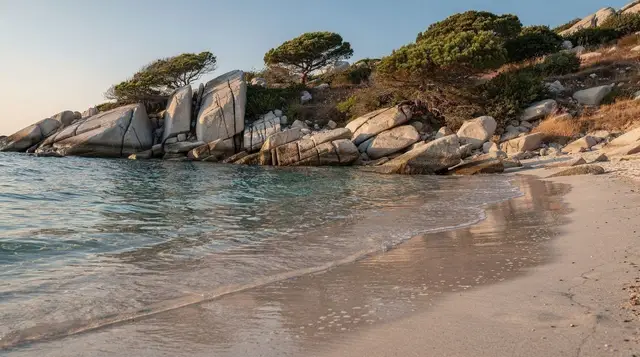
Taking sand, shells or pebbles off a beach as a souvenir. Fines range from €500 to €3,000 and are genuinely enforced, including random bag checks at Cagliari and Olbia airports during peak season. The rule is well signposted but easy to miss if you're not looking for it.
Sardinia is a genuinely low-crime, low-scam destination by European standards, but it does have a specific set of real, enforced fines that catch visitors out more than any deliberate scam — mostly environmental protection rules around sand and beach access that are stricter and more actively policed than most first-time visitors expect. Knowing them in advance is the difference between an uneventful trip and an expensive surprise at the airport.
| Fine or scam | Cost or risk | How to avoid it |
|---|---|---|
| Removing sand or shells | €500-3,000 | Leave everything on the beach |
| Missing a quota beach booking | Turned away, no refund path | Book online well in advance |
| Driving into a ZTL zone | Automatic camera fine, weeks later | Park outside historic centres |
| Unmetered taxi overcharge | Inflated fare, especially at airports | Agree the price or confirm the meter first |
Sand and shell removal fines
This is the single most important rule to know before visiting. Regional law prohibits removing sand, shells, pebbles or rocks from Sardinia’s beaches, with fines ranging from €500 for a small quantity to €3,000 for larger amounts, and enforcement includes random bag checks at Cagliari-Elmas and Olbia Costa Smeralda airports during peak season.
This isn’t a rarely enforced technicality — cases make local news every summer, and the rule exists because cumulative removal by millions of visitors was measurably damaging fragile beaches, especially the fine quartz sand at Is Arutas. Leave every grain where you found it, and if you want a physical souvenir, buy one — see our Sardinian crafts guide for genuine local alternatives.
Beach quota bookings and the “no ticket, no entry” reality
La Pelosa, Cala Goloritzé, Cala Mariolu, Cala Brandinchi and Lu Impostu, and Tuerredda all cap daily visitor numbers and require an advance online booking. This isn’t strictly a “fine” but it functions like one for anyone who shows up unprepared — there’s no on-site purchase option once the quota is reached, and staff turn people away regardless of how far they’ve travelled. Our beach access quotas guide has the specific booking process and typical lead times for each site.
ZTL zones in historic centres
Cagliari, Alghero and Bosa all have Zona a Traffico Limitato (ZTL) restricted traffic areas in their historic centres, monitored by automatic cameras that issue fines by post — often weeks after the trip, sometimes after the hire car company has already charged an admin fee on top. The signage marking ZTL boundaries isn’t always obvious to non-Italian speakers, and GPS navigation doesn’t always flag it clearly either. The simplest fix: park in a signed public car park outside the historic centre and walk in, rather than risking a drive through an old town’s narrow streets.
Taxi and transfer overcharging
Particularly at Olbia airport in peak season, some taxi drivers quote above the standard rate to visitors who don’t know the going price for a Costa Smeralda transfer. Confirm the fare is metered, or agree a fixed price before the journey starts, and where possible pre-book a transfer through your accommodation instead of hailing from the rank. Our airport transfers in Sardinia guide has approximate benchmark fares for the main routes.
Renting a boat without proper documentation
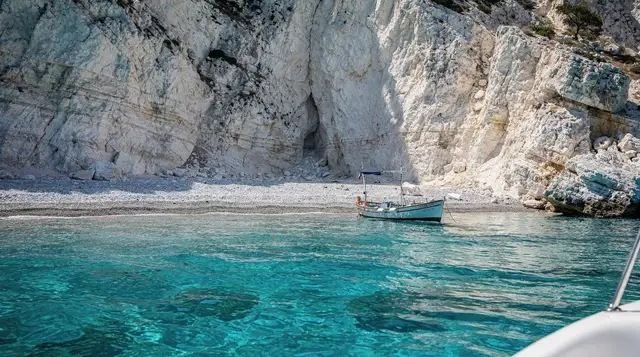
Small boats up to a certain engine size can be rented in Sardinia without a boating licence, covered in our renting a boat without a licence guide — but some smaller, less formal rental stands are vague about insurance terms and excess liability, occasionally asking for a passport as deposit security, which isn’t standard practice and isn’t advisable to hand over.
Get insurance terms in writing, and use a card deposit rather than a passport wherever possible. Reputable operators offering guided options, like the half-day catamaran tour with aperitif in Porto Conte, remove this risk entirely by including a skipper.
Fire, smoking and barbecue restrictions
Sardinia enforces strict fire-prevention rules during the dry summer months, typically June through September, when open fires, barbecues outside designated areas, and even discarding cigarette ends carelessly in vegetation carry serious fines — wildfires are a genuine and recurring risk on the island’s dry hillsides, and enforcement reflects that seriousness. Smoking is also banned on many beaches, particularly in the Asinara National Park and other protected areas, with signage indicating designated smoking zones where they exist. If you smoke, use the provided receptacles rather than dropping ends on sand or in dry grass, and never light any kind of fire outside a properly designated barbecue area.
Drone flying restrictions
Flying a drone in Sardinia requires registration and compliance with EU drone regulations, and additional restrictions apply near protected natural areas, military zones and archaeological sites — several of the island’s most photogenic spots, including parts of the Gulf of Orosei coastline and the Maddalena archipelago national park, have specific no-fly zones that aren’t always obvious from a general EU drone app. Fines for unauthorised flights in restricted areas are real, and equipment confiscation is possible in more serious cases. Check the specific area’s rules before flying, not just general EU drone registration status.
Drink-driving limits
Italy’s legal blood alcohol limit for driving is 0.5g/L, lower than in some visitors’ home countries, and roadside checks do happen, particularly around popular nightlife areas and during peak season weekends. Given how central boat trips, wine tastings and beach-day drinks are to a typical Sardinian holiday, it’s worth planning designated drivers deliberately rather than assuming you’ll judge your own limit accurately after a day in the sun, which measurably affects alcohol tolerance. Tour and wine-tasting options that include transport, covered in our wine tours in Sardinia guide, remove this risk entirely for a tasting-focused day.
Illegal or unlicensed accommodation
Sardinia requires short-term rental hosts to register with the local comune and issue a CIN (Codice Identificativo Nazionale) or regional equivalent. Booking through major platforms generally filters out unregistered listings, but direct bookings via social media or informal channels occasionally aren’t properly registered, which can create problems if local authorities carry out checks during your stay. Stick to registered listings on established platforms or well-reviewed hotels and agriturismi to avoid this entirely.
Off-road driving and protected dune systems
Driving or parking off designated roads, particularly on or near sensitive dune systems like those at Piscinas and along the Costa Verde, carries real fines and causes genuine environmental damage — these dune ecosystems are fragile and slow to recover from vehicle tracks. Stick to marked parking areas and paths, even where an informal track looks tempting for a shortcut to the beach; local authorities do patrol popular dune areas in peak season specifically for this.
Protected marine area restrictions
Several stretches of Sardinia’s coast, including parts of the Asinara and La Maddalena archipelagos, fall within marine protected areas with restrictions on anchoring, fishing and sometimes swimming zones that differ from the open sea just outside their boundaries. Boat tour operators generally know and respect these boundaries, which is one more reason a guided trip like the half-day tour on a 15m sailing boat from Alghero is a safer choice than independent boating in unfamiliar protected waters if you’re not confident on the specific area’s rules.
Restaurant bill padding
A minor but genuine issue in some heavily touristed spots near major sights: unrequested extras — bread, a “house” appetiser, bottled water beyond what was ordered — sometimes appear on the bill without being clearly offered as optional first. This isn’t universal or even common, but checking the bill against what you actually ordered before paying is a reasonable habit anywhere popular with tourists, not specific to Sardinia. Coperto (a small per-person cover charge) is standard and legal across Italy and isn’t itself a scam, just worth knowing to expect.
Car hire excess and damage disputes
This isn’t a scam exactly, but it’s the single most common source of genuine visitor frustration with Sardinian car hire: narrow, stone-wall-lined roads lead to more minor scrapes than average, and disputes over pre-existing damage not properly documented at pickup are a recurring complaint. Photograph the entire car, including close-ups of any existing marks, before driving off the lot, and keep the photos until well after the rental period ends and any charges have cleared. Our renting a car in Sardinia and hiring a car versus booking tours guides cover the insurance side in more detail.
Fishing and spearfishing without a permit
Recreational fishing from shore generally doesn’t require a permit for short visits, but spearfishing has stricter rules — it’s banned entirely within marine protected areas like Asinara and parts of La Maddalena, and requires registration even in unrestricted waters. Visitors sometimes assume a holiday spearfishing session is a harmless bit of fun, but checks do happen around popular protected coastlines, and equipment confiscation alongside a fine is a real risk for fishing inside a marked no-take zone. If spearfishing genuinely interests you, ask locally about the current rules for the specific stretch of coast first.
Disturbing protected wildlife
The pink flamingos around the Sinis Peninsula and Cagliari’s Molentargius wetlands, along with nesting sea birds on some of the smaller islands, are protected, and approaching too closely, particularly with a drone or by wading into a nesting area for a photo, can carry a fine on top of the genuine harm it does to the birds themselves. Keep a sensible distance and use a zoom lens rather than closing the gap, which is both the legally safer option and, in practice, the one that gets a better photo anyway since disturbed birds simply fly off.
Currency exchange and dynamic conversion
Currency exchange booths near airports and cruise terminals routinely offer worse rates than a standard card payment or bank ATM withdrawal. At card terminals, decline any offer to charge in your home currency instead of euros — the “dynamic currency conversion” rate applied is almost always worse than your own bank’s standard conversion. Neither is illegal or specific to Sardinia, but both are worth actively avoiding.
Frequently asked questions about fines and scams in Sardinia
Is the sand-removal fine actually enforced, or just a deterrent?
Genuinely enforced — checks happen, particularly at airports in peak season, and cases resulting in real fines are reported most summers. Treat it as a serious rule.
What happens if I accidentally drive into a ZTL zone?
You’ll likely receive a fine by post weeks later, sent to your home address via the rental company, sometimes with an added administrative fee from the rental agency itself.
Are there pickpockets or street scams in Sardinia’s cities?
Far less common than in mainland Italian tourist hubs like Rome or Naples — normal precautions in busy areas are sufficient without excessive worry.
Do I need to worry about fake tour operators?
Genuine scams are rare, but overpriced, poorly reviewed dockside operators exist — book ahead through reviewed operators rather than whoever approaches you first at a marina.
Is it safe to rent a car in Sardinia?
Yes, entirely — the main practical risk is minor scrape disputes rather than anything approaching a scam. Document the car’s condition thoroughly at pickup to protect yourself.
How do I know if a short-term rental is properly registered?
Look for a CIN or regional registration code on the listing — reputable platforms display this, and its absence is worth asking about directly before booking.
Are quota beach bookings refundable if plans change?
This varies by comune and booking system — check the specific terms when booking, since policies aren’t standardised across all of Sardinia’s quota beaches.
Should I carry cash or rely on cards in Sardinia?
Cards are widely accepted, including at most small businesses, but carrying some cash as backup is sensible for rural areas and smaller, informal vendors.
Can I fly a drone anywhere in Sardinia?
No — protected natural areas, military zones and some archaeological sites have specific no-fly restrictions beyond general EU drone rules. Check the specific area before flying, not just your drone app’s default map.
Is smoking banned on all Sardinian beaches?
Not all, but a growing number, particularly within protected natural parks like Asinara — look for signage indicating designated smoking areas where restrictions apply.
What’s the drink-drive limit in Sardinia?
0.5g/L blood alcohol, the standard Italian national limit, lower than in some visitors’ home countries. Plan a designated driver for wine-tasting or boat-trip days that involve drinking.
Are fines for wildfire-related offences actually enforced?
Yes, seriously — Sardinia’s dry summer landscape makes wildfire prevention a genuine priority, and fines for open fires or carelessly discarded cigarettes in restricted periods are real and actively enforced.
Do I need a permit to go spearfishing in Sardinia?
Yes, registration is required even outside protected areas, and spearfishing is banned entirely within marine protected zones like Asinara and parts of La Maddalena. Check local rules before bringing equipment.
Can I get fined for getting too close to the flamingos near Oristano?
Yes, potentially — the flamingo colonies around the Sinis Peninsula and Cagliari’s wetlands are protected, and disturbing nesting birds, especially with a drone, can carry a fine as well as causing genuine harm to the colony.
Honest planning tips on GetYourGuide
Verified deep-linked GetYourGuide tours. Book through these links and we earn a small commission at no cost to you.
These are our own photographs of Sardinia, not the operator's pictures of this tour — open the tour page to see those.