Canyoning in Sardinia, from the Gorropu gorge to the coast
Do you need experience to go canyoning in Sardinia?
No. Most commercial routes around Dorgali and the Supramonte are graded for beginners, and guides fit the harness and teach the abseil on site. A handful of routes further into the Gennargentu are technical and reserved for people who already know how to rappel.
Sardinia’s interior limestone — the Supramonte massif behind Dorgali, Baunei and Oliena — is cut through with dry-in-summer gorges that turn into proper canyoning terrain the moment a guide adds ropes, a wetsuit and an abseil rack. This isn’t the alpine canyoning of the Alps, with waterfalls dropping thirty metres into plunge pools every few hundred metres. Sardinian canyons are slower and drier: long walks between short technical sections, more scrambling than jumping, and a landscape that looks closer to a miniature Grand Canyon than a mountain stream.
| Where | Gorropu gorge (Dorgali/Urzulei), Codula di Luna and Codula Fuili near Cala Gonone, Porto Flavia’s mine shafts at Masua |
| Cost | €60-90 for a half-day guided route, €90-130 for a full day with lunch |
| Time needed | Half a day to a full day depending on the route |
| Season | June to September for safe, low water levels; avoid after heavy fenced rain |
| Fitness | Moderate — mostly walking and scrambling, short abseils of 5-15m |
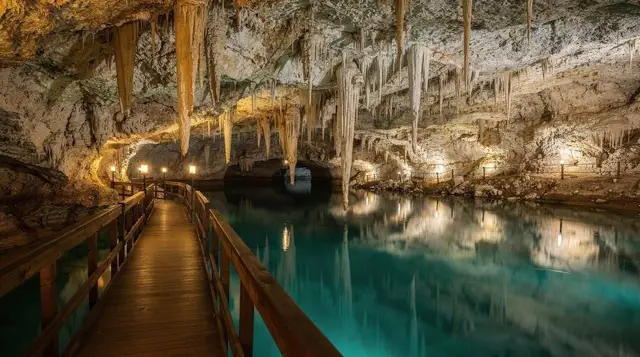
The geology behind Sardinia’s canyons
Every canyon covered in this guide owes its shape to the same basic process: limestone, laid down as ancient seabed tens of millions of years ago and later lifted into mountains by tectonic movement, slowly dissolved and eroded by rainwater and seasonal rivers finding the path of least resistance downhill. Where that erosion concentrated along a single fault line or weakness in the rock over enough millennia, the result is the narrow, steep-walled gorges that define Gorropu and the Codula riverbeds — walls that, in Gorropu’s case, still stand hundreds of metres apart at the top but pinch to a few metres at the base, a scale that photographs consistently undersell.
Porto Flavia’s shafts at Masua tell a different, much more recent story: cut deliberately by mining engineers in the 1920s rather than carved by water, which is why the canyoning experience there feels distinctly different underfoot — straighter walls, more regular dimensions, and none of the boulder-choked chaos of a natural riverbed.
Where the canyoning actually happens
The Gorropu gorge, straddling the border of Dorgali and Urzulei municipalities, is the headline site: at points its limestone walls rise 400-500 metres on either side of a boulder-strewn riverbed, making it one of the deepest canyons in Europe. Most commercial canyoning here doesn’t descend the full technical length — that’s reserved for expert groups with their own gear — but a guided half-day route from the upper entrance combines walking, short abseils and scrambling over the huge fallen boulders that choke the gorge floor, with lunch built in on the longer options:
Gorropu canyon trek with off-road transfer and lunch from DorgaliFurther south, around Cala Gonone, the Codula di Luna and Codula Fuili riverbeds run down from the Supramonte plateau to the coast and hold pools long into summer, which is why guided routes here lean more aquatic — wetsuits are standard kit even in August, since the water sitting in shaded rock pools stays cold whatever the air temperature does. On the west coast, the old Porto Flavia mining complex at Masua offers a different kind of vertical adventure entirely: descending disused mineral shafts on rope rather than a natural riverbed, which is closer to caving with an abseil than classic canyoning but is marketed and guided the same way:
Canyoning descent at the old Porto Flavia mine, MasuaWhat a guided route actually involves
Expect a briefing on land first — harness fitting, a demonstration of the figure-eight or ATC descender, and a practice abseil on an easy pitch before anything technical. From there, a typical half-day route alternates walking sections (sometimes twenty or thirty minutes over boulders) with short technical drops of five to fifteen metres, occasionally longer. Swimming through a pool is common on the wetter coastal routes; on Gorropu’s drier upper section you may not get wet at all beyond your boots. Groups are usually capped at eight to ten guests per guide, smaller on the more technical shafts at Porto Flavia, and everyone moves at the pace of the slowest member — nobody is left waiting alone on a rope.
If the idea of ropes and abseiling sounds like more commitment than you want, Gorropu also has a well-marked walking route with no technical gear required at all, covered separately in the Gola su Gorropu hike guide, and it’s worth reading that first if you’re undecided — the dry walk sees the same scenery as the lower canyoning sections without the harness.
Difficulty levels and who each route suits
Operators grade routes loosely as beginner, intermediate or technical, though the vocabulary varies between companies. Beginner routes near Cala Gonone and Dorgali assume no prior experience: the guide does the rigging, sets the rope, and talks you through every abseil individually. Intermediate routes involve longer approach walks (up to two hours) and more sustained scrambling between technical sections, useful if you want a proper day out rather than a taster. Technical routes — full Gorropu descents, some of the higher Gennargentu canyons — are for groups who already canyon regularly and bring their own certified guide; general tourist bookings won’t be offered these without prior vetting.
Gorropu hiking day with lunch, departing Cala GononeWhat’s included and what to bring
A guided canyoning day almost always includes a wetsuit (5mm neoprene, sometimes with a shorty option for warmer routes), harness, helmet and all technical rope gear, plus a qualified guide with local certification. You bring swimwear to wear under the wetsuit, old trainers or approach shoes you don’t mind getting wet (some operators rent neoprene canyoning shoes for an extra €5-10), a change of clothes for afterwards, and sun protection for the exposed walking sections. Cameras and phones stay in a dry bag if you bring them at all — most people skip carrying anything valuable and buy the operator’s photos afterwards if available.
Where the sport in Sardinia comes from
Canyoning as an organised commercial activity is relatively recent on the island, growing out of the same speleology and mountaineering clubs that first mapped the Supramonte’s caves and gorges in the mid-twentieth century. Gorropu itself wasn’t fully explored and documented until the 1950s and 60s, when local climbers and cavers pieced together its full depth using the same rope techniques that later became the basis for guided canyoning routes.
That history still shows in how the sport is run here: small, locally rooted operators rather than large adventure-sports franchises, guides who often grew up in Dorgali, Urzulei or Baunei and know the gorges as part of their own landscape rather than a training-course qualification learned elsewhere. It’s worth knowing this before you book, because it explains why the industry feels more artisanal than standardised — expect a personal briefing from someone who has walked the route hundreds of times, not a corporate safety video.
Family and mixed-ability days
Not every canyoning trip needs to be a full technical descent, and several operators around Dorgali and Cala Gonone now run shortened, lower-commitment versions specifically aimed at families with older children or mixed-ability groups who want a taste of the sport without the longest abseils. These typically drop the most exposed technical sections in favour of shorter drops of two to four metres, more scrambling and less swimming, finishing in half the time of a full route.
It’s worth being explicit when booking about who’s in your group — ages, swimming confidence, any fear of heights — since Sardinian operators are generally happy to tailor a route rather than force everyone onto the same grading. Mixed groups where some members want the full technical experience and others want the easier version sometimes split at a particular junction point on longer routes, rejoining afterwards, which is worth asking about specifically if your travelling party has very different comfort levels.
When to go
June through September is the safe window: water levels in the riverbeds are low and predictable, and operators run daily departures. Outside that, spring meltwater and autumn storms can raise water levels fast enough to close routes with little notice — Sardinia’s rivers are seasonal and a canyon that’s dry in July can carry a real current after two days of rain in April or October. If a guide postpones or cancels for weather, take it seriously; flash flooding in a narrow limestone gorge is the single real danger in this sport and it’s exactly what licensed operators are trained to avoid.
Combining canyoning with the rest of the Supramonte
Most people doing a canyoning day are already based around Dorgali or Cala Gonone for a few days, which makes it easy to pair with other Supramonte activities without much extra driving. Hiking in Sardinia covers the wider trail network if you want a non-technical day either side of the canyon, while the Selvaggio Blu trek and the Supramonte hiking guide go into the multi-day routes that share the same limestone terrain. If caves interest you more than ropes, the best caves in Sardinia and Is Zuddas cave sit in similar karst landscape without the technical commitment.
For climbers rather than canyoners, rock climbing in Sardinia and via ferrata in Sardinia cover the vertical side of the same region, and the Arbatax to Barbagia jeep route is a common way to reach the interior from the east coast without your own car for the day:
Guided Gorropu hike from the Genna Silana passIf you’re building a full itinerary around this kind of activity rather than a single day trip, the east coast Sardinia in seven days itinerary and the hiking week in the Supramonte and Ogliastra both build canyoning-friendly days into a wider route through Ogliastra and the Gulf of Orosei, which saves you working out the logistics of moving between Dorgali, Baunei and the interior on your own.
What guides don’t always volunteer upfront
A few practical details are worth asking about directly rather than waiting to be told. First, cancellation and rebooking policy for weather — most reputable operators reschedule rather than refund outright, which matters if you’re on a tight itinerary and can’t return another day. Second, exactly how many technical sections a “half-day” route includes; the term isn’t standardised between operators, and one company’s half-day can involve twice the abseils of another’s. Third, whether photos are included or sold separately afterwards — many guides carry a waterproof camera and sell a photo package at the end of the day, worth knowing in advance if it matters to you rather than being surprised by an upsell after the fact.
Getting there and getting around
Almost every canyoning route sits well off the main coast roads, and public transport doesn’t reach the trailheads at all — see driving in Sardinia and renting a car in Sardinia if you haven’t sorted a hire car yet. Most operators offer a meeting point in Dorgali, Cala Gonone or Baunei and handle the off-road transfer to the trailhead themselves, which is worth confirming when you book if you’re relying on a rental car with low ground clearance. Staying safe in Sardinia has more on mobile signal gaps and what to do if plans change once you’re off the paved road.
Frequently asked questions about canyoning in Sardinia
Is canyoning in Sardinia dangerous?
Not with a licensed guide on a graded route in season. The real risk is flash flooding after heavy rain, which is exactly why routes get cancelled or postponed when conditions look unsafe — treat a postponement as the system working, not an inconvenience.
Can non-swimmers go canyoning?
Some beginner routes avoid deep swims and can accommodate weak swimmers with a life jacket, but most coastal routes near Cala Gonone involve swimming through pools. Say so when booking and the operator will place you on a suitable route or advise against it.
What’s the minimum age for children?
Most operators set a minimum age around 10-12 for beginner routes, higher for anything technical. Family-specific dates are limited, so check directly with the operator before assuming a route is child-friendly.
Do I need my own wetsuit and harness?
No — full technical kit is included in every guided booking. Bring only swimwear, old shoes, and a towel and change of clothes for after.
How does canyoning differ from the dry Gorropu walk?
The walking route follows the gorge floor without ropes or water crossings and needs no special gear beyond hiking boots; canyoning adds abseils, scrambling over sections the walking trail bypasses, and often a swim. Both cover similar scenery, but canyoning reaches parts of the gorge the walking path doesn’t.
Is Porto Flavia’s canyoning the same as visiting the mine as a tourist?
No. A standard Porto Flavia visit is a guided walk through the tunnel to the famous sea-view opening; the canyoning version adds rope descents into disused mining shafts and is a separate, more technical booking aimed at people who want the adventure activity rather than the historical tour.
Cave & canyon tours on GetYourGuide
Verified deep-linked GetYourGuide tours. Book through these links and we earn a small commission at no cost to you.
These are our own photographs of Sardinia, not the operator's pictures of this tour — open the tour page to see those.