Orosei is easy to misread from a map: it sits close enough to the coastline that visitors expect a seafront town, but the old centre is actually about 3km inland, laid out around five domed churches and a maze of whitewashed lanes that feel more like an inland Sardinian hill town than a beach resort. That’s not a flaw — it’s the reason Orosei has kept a genuine, lived-in old town while so much of the east coast’s tourist infrastructure has clustered around the harbour towns further south.
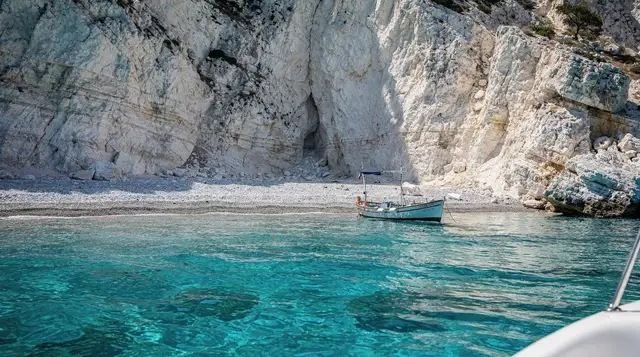
What draws most visitors here in practice is twofold: a long, largely undeveloped run of sandy beach a few minutes away by car, and Orosei’s position as a realistic, calmer base for exploring the Gulf of Orosei — even though the boats that actually run into the gulf leave from Cala Gonone, not from Orosei itself. This page is honest about that gap, because getting it wrong is the single most common planning mistake for this stretch of coast.
| Where | East coast, Nuoro/Ogliastra area, old town ~3km inland |
| Known for | Five-domed old town, sandy beaches at Cala Liberotto and Berchida |
| Time needed | 2 to 3 days, longer if used as a base for the wider gulf |
| Getting there | 45–55 minutes’ drive from Olbia airport (OLB); no train, ARST buses limited |
| Gulf boat trips | Depart from Cala Gonone, ~30–40 minutes’ drive south, not from Orosei |
| Best time | June or September for sea temperature without peak-season traffic |
The old town and its five domes
Orosei’s centro storico is built almost entirely from whitewashed stone and lava rubble, which gives the lanes a bright, almost Greek-island glare at midday and a softer glow at golden hour. The town is known locally for its five domes — the cupolas of San Giacomo Apostolo (the main parish church, with a striking pink-and-white facade), Santa Maria ‘e Mare, San Sebastiano, the Rosario church and the Su Prigione bell tower complex — visible together from several points in the old town and giving Orosei a skyline unlike anywhere else on this coast. None of the churches charge for entry, and San Giacomo’s interior is worth the five minutes it takes to look in even for visitors who aren’t seeking out religious architecture specifically.
The real pleasure of Orosei’s old town is aimless walking rather than ticking off sights. Piazza del Popolo and the adjoining lanes hold a scatter of small workshops and cafés, and S’Ena e Sa Chitta — a historic square built around an old well — is one of the better-preserved corners, with restored merchants’ houses that hint at Orosei’s past as a river port before the Cedrino silted up. Traffic is light outside July and August, and there’s genuinely no queueing culture here the way there is at Cala Gonone’s harbour in peak season.
Orosei makes a sensible half-day stop even for visitors based elsewhere on the gulf, and a comfortable 2-3 day base for anyone who prefers a quieter evening scene to Cala Gonone’s more resort-driven one. For wider context on this stretch of coast, Dorgali — the hill town Cala Gonone technically belongs to — and Ogliastra, the region immediately south, both make useful comparison points when deciding where to spend the nights of a gulf-focused trip.
Beaches: Cala Liberotto, Osalla and Berchida
Orosei’s own coastline, a 10 to 15 minute drive from the old town, is a long, largely uninterrupted run of sand rather than the small pocket coves further south in the gulf. Cala Liberotto is the most developed of the three, with a small seasonal village, a handful of bar-restaurants and easy parking, making it the practical choice for a straightforward beach day with young children. Osalla, just south, backs onto a small lagoon and pine woodland and has a wilder, quieter feel with far less built infrastructure.
Berchida, the furthest and best-regarded of the three, is a long sweep of pale sand backed by dunes and juniper scrub, with genuinely clear water and none of the crowd pressure of the gulf’s boat-only beaches further south. None of Orosei’s beaches operate the paid access quotas that apply at Cala Goloritzé or Cala Mariolu further down the coast — there’s no booking system and no daily cap here, which is a real point in Orosei’s favour if you want a beach day without planning around a permit. The same sand-removal rules as everywhere else in Sardinia still apply, though: taking sand or shells home carries fines of €500 to €3,000, enforced with random baggage checks at Olbia and Cagliari airports.
For beach comparisons across the wider gulf, including the boat-access-only coves further south, see the best beaches of the Gulf of Orosei and our Cala Luna guide for the most photographed of them.
Gulf of Orosei boat trips: a day trip from here, not a walk from town
This is the point worth being direct about: Orosei town has no harbour serving Gulf of Orosei excursion boats. Almost every organised boat trip into the gulf — to Cala Luna, the Bue Marino caves, Cala Sisine and, further south, Cala Mariolu and Cala Goloritzé — departs from Cala Gonone, which sits roughly 30-40km south by road and takes around 30 to 40 minutes to drive at typical Sardinian speeds, since there’s no motorway on this stretch and the SS125 through Dorgali has tight bends and slow-moving traffic in summer. A smaller number of trips run from Arbatax, further south again, which suits visitors staying around Ogliastra rather than Orosei.
In practice, that means anyone basing themselves in Orosei does gulf boat trips as a day excursion: drive to Cala Gonone (or occasionally Arbatax) in the morning, park near the harbour, and join a scheduled departure. a Cala Gonone boat tour to the Bue Marino cave and Cala Luna beach is the classic full introduction to the gulf’s two best-known stops and a sensible first choice if you’re only doing one boat trip from an Orosei base.
For visitors wanting to push further south to the gulf’s most dramatic cove, a Gulf of Orosei boat trip with a stop at Cala Goloritzé covers more coastline in a longer day.
If Arbatax fits your route better than Cala Gonone — for instance if you’re continuing south towards Baunei or Santa Maria Navarrese — an Arbatax day tour by boat into the Gulf of Orosei runs the same stretch of coast from the southern end.
Snorkellers have a dedicated option too: a Cala Gonone snorkelling trip in the Orosei Gulf spends more time in the water and less on transit between beaches than the standard sightseeing boats. Full trip-by-trip detail, including which boats suit families and which are aimed at younger crowds, is in our Gulf of Orosei boat trips guide.
| Trip type | Departs from | Typical length | Roughly from |
|---|---|---|---|
| Bue Marino cave + Cala Luna | Cala Gonone | 3.5–4 hours | €35–45 |
| Extended trip to Cala Goloritzé | Cala Gonone | 5–6 hours | €50–65 |
| Snorkelling-focused trip | Cala Gonone | 3–4 hours | €40–50 |
| Day boat tour of the gulf | Arbatax | 5–6 hours | €45–60 |
Inland: Tiscali and the Supramonte
Orosei’s inland side is worth at least a day for anyone who isn’t purely here for the sea. The limestone massif of the Supramonte rises directly behind Dorgali and Oliena, and the abandoned nuraghic village of Tiscali — built inside a collapsed cave doline high in the mountains — is one of Sardinia’s genuinely striking archaeological sites, reachable only on foot. a guided hike to Tiscali, bookable from Orosei or Dorgali covers the route with a local guide, which is worth it here specifically because the unmarked limestone paths are easy to lose without local knowledge.
Budget a full morning to early afternoon for the round trip, proper hiking boots (the terrain is sharp, loose limestone for long stretches) and at least 1.5 litres of water per person, since there’s no shade or facilities once you’re on the trail. This pairs well with a wider east-coast loop — our 7-day east coast Sardinia itinerary fits a Tiscali hike alongside the gulf’s boat trips and beach days without feeling rushed.
Getting to and around Orosei
Olbia Costa Smeralda airport (OLB) is the practical arrival point, around 45 to 55 minutes’ drive north depending on traffic through the SS131 and SS129 link roads — there’s no direct motorway the whole way, and summer weekend traffic through Siniscola can add 15-20 minutes. Cagliari-Elmas is a realistic alternative for some flight schedules but adds well over two hours of driving each way, which usually isn’t worth it unless flight prices are dramatically different.
a private transfer from Olbia airport to Orosei or Cala Ginepro is a straightforward option if you’d rather not pick up a hire car at the airport, though most visitors doing a wider east-coast loop will want their own vehicle.
A car is genuinely necessary here: Orosei’s beaches, the Cala Gonone boat harbour and the Tiscali trailhead are all a drive apart, and ARST buses run infrequently outside peak summer weeks. See renting a car in Sardinia for booking advice and driving in Sardinia for what the roads on this side of the island are actually like — narrower and slower than most first-time visitors expect, especially through Dorgali’s town centre.
Where to eat and stay
Orosei’s old town has a reasonable spread of trattorias serving Ogliastra-leaning east-coast cooking — culurgiones, porceddu and good seafood when the boats have been out, generally at lower prices than the more tourist-dense harbour restaurants in Cala Gonone. A handful of small hotels and B&Bs sit inside or just outside the old town walls, and there’s more self-catering accommodation clustered near Cala Liberotto and Osalla for anyone prioritising beach proximity over old-town atmosphere. Book both restaurants and rooms a few days ahead in July and August; outside that window, availability is far more relaxed.
Frequently asked questions about Orosei
How far is Orosei from the Gulf of Orosei boat trips?
The boats themselves leave from Cala Gonone’s harbour, about 30-40 minutes’ drive south of Orosei’s old town via the SS125 and the Dorgali road; a smaller number of trips run from Arbatax, roughly 45-60 minutes south.
Can I walk to a beach from Orosei’s old town?
No — the old town sits about 3km inland, so you’ll need a car or bike for the 10-15 minute journey to Cala Liberotto, Osalla or Berchida.
Is Orosei worth visiting if I’m staying in Cala Gonone instead?
Yes, as a half-day trip — the old town and its five domed churches are a pleasant contrast to Cala Gonone’s more resort-focused harbour, and it’s a short drive between the two.
Do Orosei’s beaches have an access quota like Cala Goloritzé?
No, Cala Liberotto, Osalla and Berchida have no booking system or daily visitor cap, unlike Cala Goloritzé, Cala Mariolu, La Pelosa, Cala Brandinchi, Lu Impostu or Tuerredda.
What’s the closest airport to Orosei?
Olbia Costa Smeralda (OLB), around 45-55 minutes’ drive north; Cagliari-Elmas is a realistic backup for flight schedules but adds well over two hours’ driving each way.
Is the Tiscali hike suitable for children?
It’s a genuine hike over loose limestone terrain with significant elevation change, generally better suited to older children who are comfortable walking for 3-4 hours than to young families.
Is September a good time to visit Orosei?
Yes — sea temperatures are still warm, boat trip availability is good, and both the roads through Dorgali and the beaches are markedly quieter than in July or August.