The best photography spots in Sardinia, and when the light works
Most Sardinia photography lists are just a list of pretty beaches, which misses the point — the light matters as much as the location, and a genuinely great photography spot at the wrong time of day is a forgettable one. This list pairs each location with when it actually works, based on how the light, crowds and access conditions change through the day and the season.
| Best for turquoise water shots | La Maddalena archipelago, midday with high sun |
| Best for golden hour | Costa Verde’s dunes and the west coast beaches |
| Best for dramatic rock formations | Valle della Luna, Capo Testa, near sunset |
| Best for architecture | Alghero and Bosa’s old towns, early morning before crowds |
La Maddalena: shoot at midday, not sunset
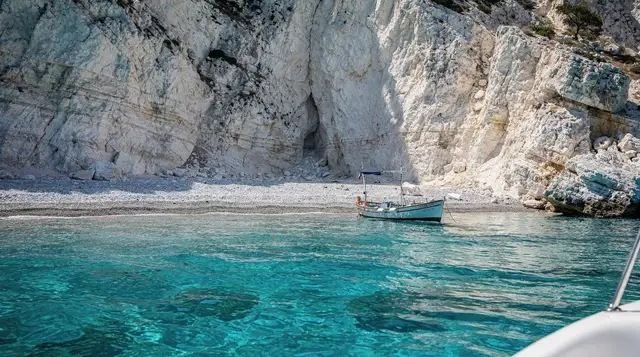
Counterintuitively, the archipelago’s famous turquoise water photographs best with the sun high overhead rather than at golden hour — the direct light penetrates the shallow water and produces the saturated blues and greens the islands are known for, an effect that flattens out considerably once the sun drops. A full-day boat tour gives the flexibility to hit multiple islands as the light shifts through the day:
Seven islands, seven stops guided tour of La MaddalenaValle della Luna: the golden hour classic
Named for its otherworldly granite boulders, Santa Teresa Gallura’s Valle della Luna genuinely earns its reputation at sunset, when low light rakes across the weathered granite and picks out texture that flattens completely under midday sun.
Guided hiking tour of the Valle della Luna near Santa Teresa GalluraCapo Caccia and Capo Testa: dramatic coastal light
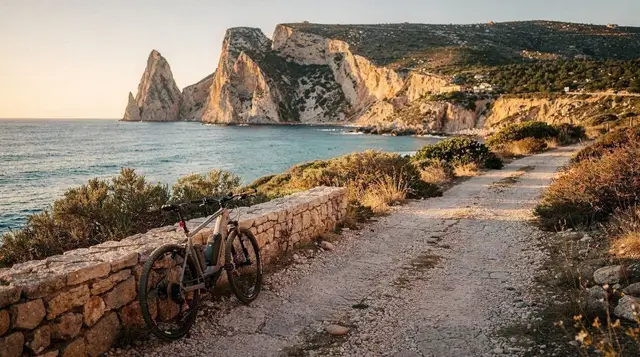
The limestone cliffs of Capo Caccia near Alghero and the wind-sculpted granite of Capo Testa’s coastal walks near Santa Teresa both reward late afternoon light, when the low sun catches the rock texture and the sea below shifts through a genuinely dramatic range of blues.
Capo Caccia tour from AlgheroOld towns: shoot early, before the crowds
Alghero’s old town and Bosa’s pastel riverside houses both photograph far better before 9am, when the narrow streets are empty and the light is soft rather than the harsh midday glare that washes out colour and fills frames with tourists by mid-morning. Castelsardo’s guide makes the same case for its hilltop old town, best shot either at first light or the reverse — after sunset, when the town is lit against a darkening sky.
Piscinas: the dune landscape most visitors skip
The dunes at Piscinas, on the little-visited Costa Verde in the southwest, are Europe’s largest active dune system and photograph like nowhere else on the island — golden sand stacked into ridges up to 60 metres high, with none of the crowds that make a clean, empty frame difficult almost anywhere on the east coast in summer. Late afternoon raking light does here what it does at the Valle della Luna, carving deep shadow lines into every ridge; the access road is unpaved and slow, which is exactly why the dunes stay this uncluttered.
Murals and street scenes in the interior
The murals of Orgosolo, painted across the walls of the town centre since the 1960s and covering everything from local politics to global events, are a completely different kind of photography subject from the coast — flat, graphic, and best shot in the soft light of an overcast morning rather than hunting for a specific golden hour. Pairing a mural walk with Mamoiada’s carnival masks, on display outside carnival season in the town’s museum, gives a full day of interior, culture-focused photography that has nothing to do with beaches or boats.
Sunrise at Capo Falcone
The northwest corner near Stintino offers one of the island’s most rewarding sunrise spots, looking out over La Pelosa toward Asinara with almost nobody else around at that hour, a sharp contrast to the same beach at midday in August.
Sunset hike and tasting at Capo Falcone near StintinoTiming a shoot around the quota beaches
Several of the island’s most photogenic coves, including Cala Goloritzè, operate access quotas that need booking well ahead of a trip, covered in full in Sardinia’s beach access quotas — worth checking before building a shoot day around any single cove, since a full quota on your travel dates means falling back to the boat-based approach or a different location entirely rather than hiking in on the day.
Protecting gear from wind, salt and dust
Sardinia’s coastal conditions are harder on camera equipment than they look. The mistral wind carries fine sand and salt spray well inland from any exposed coastline, both of which work into lens barrels and camera bodies over a day of shooting; a basic rain cover or dry bag, and a habit of changing lenses in the car rather than on an open beach, avoids most of the damage. A polarising filter earns its keep on the water shots at La Maddalena and along the Costa Smeralda specifically, cutting surface glare enough to pull real colour out of the shallows that a plain lens misses.
Seasonal light and crowds
May, June and September combine reliably good light with far fewer people in frame than July and August, when even a well-timed sunrise shot at somewhere like La Pelosa can include dozens of other early risers with the same idea. Winter light, discussed alongside the wider seasonal picture in Sardinia in winter, is softer and lower throughout the day, genuinely appealing for landscape photography even if swimming season is long over.
Frequently asked questions about photographing Sardinia
What is the single best photography spot in Sardinia?
The La Maddalena archipelago for water colour, and the Valle della Luna for dramatic rock and light — the two are different enough that most photographers rate them equally highly for different reasons.
What time of day is best for beach photography in Sardinia?
Midday for the turquoise water effect at spots like La Maddalena; early morning or late afternoon for softer light and fewer people at most other beaches.
Is a drone allowed for photography in Sardinia?
Rules vary by location and change periodically, particularly within national parks and near the Gulf of Orosei’s protected coastline; check current Italian civil aviation authority rules and local restrictions before flying.
When is the best season for photography in Sardinia?
May, June and September for a strong combination of good light and manageable crowds; winter for dramatic, moody landscape light without any expectation of swimming weather.
Are the old towns worth photographing early in the morning?
Yes, significantly — Alghero and Bosa’s narrow streets are almost empty before 9am and fill with both light-washing midday sun and tourists shortly after.
Is the Valle della Luna difficult to reach for a sunset shoot?
It requires a moderate hike from Santa Teresa Gallura and is best done with enough daylight margin to walk back safely; a guided tour removes the timing guesswork.
Is the mistral wind a problem for photography?
It can be — beyond roughing up water for boat shots, it carries fine sand and salt spray that works into camera gear over a full day outdoors, so a basic weather cover is worth packing even on a clear day.
Are there good photography spots away from the coast?
Yes — the dunes at Piscinas on the Costa Verde and the murals of Orgosolo in the Barbagia interior are both strong, largely overlooked subjects that need none of the coastal crowd management the beaches do.
Trip-planning essentials on GetYourGuide
Verified deep-linked GetYourGuide tours. Book through these links and we earn a small commission at no cost to you.
These are our own photographs of Sardinia, not the operator's pictures of this tour — open the tour page to see those.