Coastal walks at Capo Testa
How hard are the coastal walks at Capo Testa?
Easy. Marked paths cross granite headland with modest elevation change, suitable for any fitness level and most ages, typically 1-3 hours depending on how much of the peninsula you cover. No guide or permit is needed.
The easiest genuinely scenic hiking on the island
Capo Testa, the granite headland just outside Santa Teresa Gallura at Sardinia’s northern tip, offers a completely different hiking experience from the Supramonte or Gennargentu routes covered elsewhere on this site. There’s no steep descent, no permit, no guide requirement — just a network of marked and informal paths across wind-and-sea-sculpted pink granite, with views across the Bonifacio Strait to Corsica on a clear day. This is the hike to choose if your group includes anyone who wants real Sardinian coastal scenery without the physical commitment of a Supramonte trek.
The granite formations here are the actual draw: centuries of wind and salt spray have carved the rock into smooth, rounded shapes, stacked boulders and hollows that look almost sculpted rather than natural, similar in character to (though smaller-scale than) the more famous granite coast further along Sardinia’s north-east. A lighthouse marks the peninsula’s northern tip, reachable on foot, and gives the clearest Corsica views on the walk.
| Detail | What to expect |
|---|---|
| Distance | 1-3 hours depending on route chosen |
| Difficulty | Easy, minimal elevation change |
| Terrain | Granite paths, some informal scrambling between rocks |
| Guide/permit | Neither required |
| Best for | Families, anyone wanting scenery without a hard hike |
The main loop and lighthouse walk
The most straightforward route follows the marked path from Capo Testa’s small parking areas out to the lighthouse at the peninsula’s tip, weaving between the granite formations and past small coves that make good swimming stops if you’ve brought a towel. This out-and-back covers roughly 3-4km round trip and suits any fitness level — flat to gently undulating terrain, no technical footing beyond ordinary care on rock. Allow an hour or two if you’re stopping to swim or photograph the rock formations, which most visitors do.
Extending the walk toward the ancient quarry
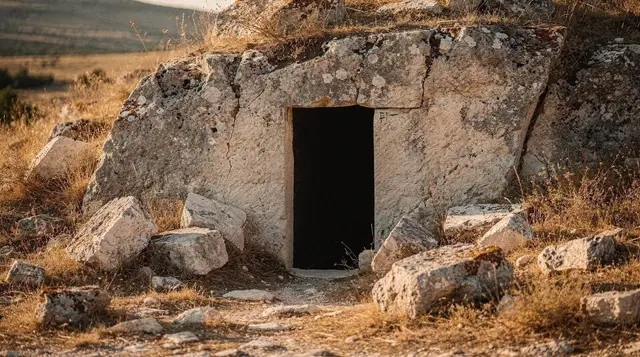
Capo Testa was a Roman-era granite quarry, and remnants — half-cut columns abandoned mid-extraction, visible tool marks in the rock — are still scattered across parts of the headland for those who wander off the main lighthouse path. This adds genuine historical interest to what’s otherwise a scenery-focused walk, and it’s worth 30-60 extra minutes if Roman history interests you. Combined with the granite scenery, this makes Capo Testa a rare case of an easy walk that rewards curiosity as much as fitness.
Combining a walk with the Valle della Luna and boat trips
The Valle della Luna hiking route covers a separate, slightly wilder stretch of the same general area — a valley known historically for its hippy commune era in the 1960s-70s, now a quieter walking route through granite terrain with its own character distinct from the main Capo Testa lighthouse path. Pairing both in a single day gives a fuller sense of the peninsula’s range, from the polished tourist-friendly lighthouse walk to the rougher, wilder Valle della Luna.
Since Capo Testa sits right at the departure point for boats toward La Maddalena, Corsica and the wider Costa Smeralda, a walk here combines naturally with a boat trip the same day or the next.
The private Costa Smeralda boat tour with snorkelling and the La Maddalena catamaran day tour from Santa Teresa Gallura both depart from the same town, so a morning walk followed by an afternoon on the water is realistic without much driving. For the Corsica side of things — Bonifacio is visible across the strait and reachable by ferry — see ferry between Bonifacio and Santa Teresa and a day trip to Bonifacio and Corsica.
Best time of day and season
Capo Testa is walkable year-round, unlike most hiking on this site — mild winters mean the granite paths stay open and pleasant even outside the main season, when Santa Teresa Gallura itself is quieter and more affordable. In summer, the peninsula catches more wind than sheltered coves nearby, which actually makes it a more comfortable midday walk than most Sardinian hikes — worth knowing if heat has ruled out other routes on a given day. Sunset from the lighthouse area is genuinely one of the better free experiences on this coast; see Sardinia’s best sunsets for other spots to compare it against.
Nearby villages worth combining with a walk
Palau and San Pantaleo, both a short drive away, make good additions to a Capo Testa day if you want a village stop with lunch options beyond Santa Teresa Gallura itself. San Pantaleo in particular has a well-regarded weekly craft market and a noticeably different, quieter atmosphere from the busier Costa Smeralda towns nearby.
The granite formations, explained
What makes Capo Testa’s rock so distinctive is a combination of the granite’s mineral composition and millennia of exposure to wind, salt spray and rain. Unlike the limestone that dominates the Supramonte and much of eastern Sardinia, granite weathers unevenly along natural fracture lines, producing the smooth, almost sculptural boulders and rounded overhangs found across the headland — a process geologists call spheroidal weathering.
The same pink-tinged granite runs through much of north-east Sardinia and southern Corsica, part of a shared geological formation split by the Bonifacio Strait only in relatively recent geological time, which is part of why the Corsican coastline visible from Capo Testa’s lighthouse looks so similar in character to the ground underfoot.
The Roman quarry in more detail
Roman engineers valued Capo Testa’s granite highly enough to establish a substantial quarrying operation here, extracting columns and building material shipped onward across the Roman world — some abandoned, partially-cut columns visible today were left exactly where work stopped, for reasons no longer recorded but likely tied to logistical or political disruption rather than any flaw in the stone itself.
Tool marks are still visible on some of the cut faces if you know where to look, a detail most casual walkers miss entirely without knowing to search for it. This quarrying history connects Capo Testa to a wider Roman-era extraction network across Sardinia and Corsica that supplied stone for construction projects across the empire, a small but genuine thread of ancient economic history running through what’s otherwise treated purely as a scenic walking spot.
Where to eat near Capo Testa
Santa Teresa Gallura’s harbour area has the widest choice of restaurants within a short drive of the trailhead, ranging from casual seafood spots to more considered dining, and makes a natural stop either before or after a walk. For something more low-key, small cafes near the Capo Testa parking areas serve simple lunch options in season, though choice narrows considerably outside the main summer months. Combining a walk with a meal in San Pantaleo works well for anyone extending the day inland rather than staying purely coastal — the village’s restaurant scene has grown alongside its reputation as a quieter alternative to the busier Costa Smeralda towns.
How Capo Testa compares to other easy walks on the island
Sardinia’s hiking guides tend to focus on the harder Supramonte and Gulf of Orosei routes, which can leave the impression that easy walking options are scarce. Capo Testa is the clearest counter-example, but it’s not the only one — our wider hiking in Sardinia overview covers a similarly gentle, family-manageable walk to Cala Coticcio on Caprera in the La Maddalena archipelago, and coastal paths around several southern beach towns give short, flat walking without the granite scenery specific to Capo Testa.
What sets Capo Testa apart is the combination of genuine geological interest, historical depth from the Roman quarry, and a lighthouse-and-Corsica-view payoff that few easy walks elsewhere on the island can match in under two hours of effort.
Photography and the best light for the granite
The pink-toned granite at Capo Testa photographs best in the lower-angle light of early morning or the two hours before sunset, when shadows pick out the texture and rounded forms of the rock in a way flat midday light tends to wash out. The lighthouse itself, silhouetted against a Corsica-facing sunset, is one of the more reliably rewarding photo opportunities on this coast, and unlike many Sardinian sunset spots it’s easily reached without a long walk or a boat. If photographing the quarry remnants specifically, look for the tool marks in raking side light rather than direct overhead sun, which tends to flatten the subtle carved detail that makes them interesting.
Accessibility and who this walk suits
Because the main lighthouse route follows a relatively well-maintained path with only gentle elevation change, Capo Testa is one of the more accessible hiking-adjacent experiences on this site for visitors with limited mobility, though the granite terrain does include some uneven sections that a standard wheelchair or unassisted walker with significant mobility limitations would find difficult. Buggies and prams can manage the main path with some care but not the full route to every viewpoint. This makes Capo Testa a sensible choice for multi-generational groups where fitness levels vary widely, in a way that the Supramonte or Gennargentu routes covered elsewhere on this site simply can’t match.
Combining Capo Testa with a wider Gallura itinerary
Santa Teresa Gallura sits at the natural starting point for exploring Sardinia’s northern tip, and Capo Testa works well as either a first-morning orientation walk after arriving or a final activity before a Corsica ferry crossing.
Visitors building a longer stay in the area typically combine a Capo Testa morning with an afternoon boat trip toward La Maddalena or the Costa Smeralda, and our north Sardinia 7-day itinerary sequences this region against the rest of the island’s northern highlights if you’re planning several days in the area rather than a single stop. For visitors arriving by ferry from Corsica, Capo Testa is often the very first Sardinian scenery encountered, making it a fitting, low-effort introduction to the island before a longer trip unfolds.
Parking at Capo Testa in peak season
Two small car parks serve the headland, and both fill by mid-morning in July and August, with overflow parking along the approach road that adds a short extra walk to reach the paths. Arriving before 9am or after the late-afternoon heat has eased both avoid the worst of the midday crush, and either window also happens to give better light for photographing the granite formations than flat overhead midday sun. Outside peak season, parking is rarely an issue even on a busy weekend.
Snorkelling off the small coves along the walk
Several of the small coves passed along the main lighthouse path have clear water and enough shelter from the wind for casual snorkelling, though this is a bring-your-own-gear stop rather than a rental point — nothing is available on-site. The rocky, granite-boulder seabed suits snorkelling better than sandy-bottom swimming, with small fish visible around the boulders even close to shore. It’s a reasonable free add-on to the walk rather than a destination in its own right; anyone wanting a fuller snorkelling day is better served by one of the boat tours departing from Santa Teresa Gallura’s harbour, which reach clearer, less-visited water further from shore.
Frequently asked questions about walking at Capo Testa
How long does it take to walk Capo Testa?
1-3 hours depending on how much of the peninsula you cover, including the lighthouse loop and any swimming stops.
Is Capo Testa suitable for young children or older visitors?
Yes — this is the easiest hiking option covered on this site, with minimal elevation change and no technical footing beyond ordinary care on rock.
Do I need a permit to walk at Capo Testa?
No — unlike Cala Goloritzé or other Gulf of Orosei routes, Capo Testa has no visitor cap or permit system.
Can I swim during a Capo Testa walk?
Yes — several small coves along the path make good swimming stops; bring a towel and swimwear if that’s part of your plan.
What’s the difference between Capo Testa and the Valle della Luna walk?
Capo Testa’s main path is a polished, easy lighthouse loop through granite formations; the nearby Valle della Luna route covers a separate, slightly wilder valley with its own hippy-era history, bookable as the Valle della Luna hiking tour.
Is Capo Testa walkable in winter?
Yes — this is one of the few hiking spots on this site that stays genuinely pleasant year-round, thanks to Sardinia’s mild winters at sea level.
Can I see Corsica from Capo Testa?
Yes, on clear days — the Bonifacio Strait separates Capo Testa from Corsica by just 12km, and the lighthouse area gives the best views across.
Is parking difficult at Capo Testa in summer?
It can be by mid-morning in July and August, when the two small car parks fill and overflow parking along the approach road adds a short extra walk. Arriving before 9am avoids most of the crush.
Can I go snorkelling at Capo Testa?
Yes, casually — several coves along the main path have clear, sheltered water good for snorkelling, though you’ll need to bring your own gear since nothing is available to rent on-site.
Hiking & trekking tours on GetYourGuide
Verified deep-linked GetYourGuide tours. Book through these links and we earn a small commission at no cost to you.
These are our own photographs of Sardinia, not the operator's pictures of this tour — open the tour page to see those.