Sardinia in a camper van — what works and what does not
Sardinia already runs on a hire car for most visitors — see driving in Sardinia for why — so a camper van isn’t a strange idea here, it’s a fairly natural extension of how the island already expects people to travel. What it changes is pace and freedom: a van lets you wake up somewhere quiet on the west coast instead of driving back to a hotel, and it removes the daily pressure of finding parking near a beach before the good spots fill up. It also comes with real friction — width limits on some interior roads, a genuine shortage of proper campsites in a few areas, and a set of wild-camping rules that are stricter than many first-timers assume.
Getting the van to the island
Two realistic options exist: bring your own van on a ferry from mainland Italy or France, or hire one locally from a base near Cagliari-Elmas or Olbia. See ferries to Sardinia for the full route list — Civitavecchia to Cagliari or Olbia are the shortest overnight crossings, and van fares run considerably higher than a standard car fare, so it’s worth pricing this against local hire before committing to bring your own vehicle from home.
Local camper hire tends to concentrate around the two main airports, and booking several months ahead for a July or August trip is sensible, since the fleet is smaller than in more established camper destinations like southern France.
Where a camper van genuinely works well
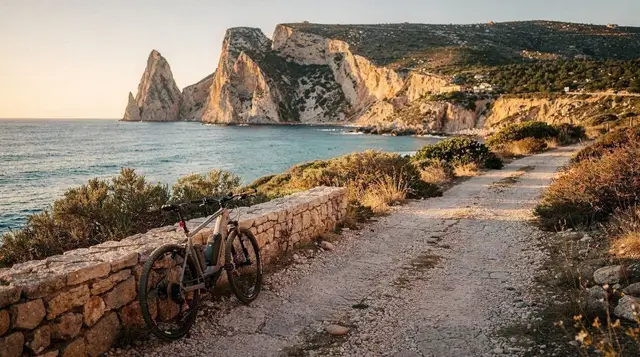
The Costa Verde and the wider west coast suit van travel particularly well — fewer crowds, more informal parking near beaches, and a slower pace that matches the area’s character better than a fixed hotel base would. The same is true of the interior, where towns like Aritzo and Fonni have genuinely little tourist infrastructure and reward the flexibility of arriving without a fixed booking.
Wine tasting at a boutique Sardinian winery from CagliariA stop at Barumini to see the Su Nuraxi nuraghe fits naturally into a van route through the interior, and unlike a hotel-based itinerary there’s no pressure to be anywhere by a set check-in time:
Guided tour of Su Nuraxi at Barumini from CagliariWhere it gets genuinely difficult
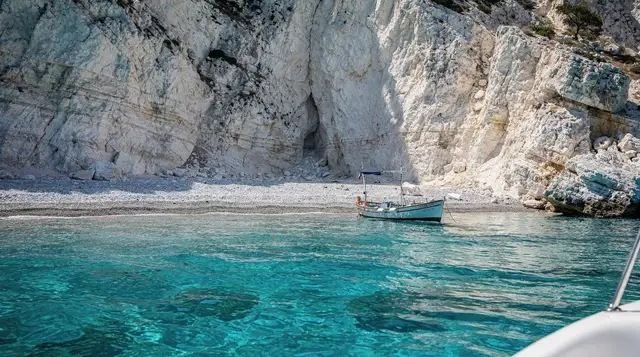
The Costa Smeralda is the clearest no — narrow, private-feeling roads, minimal camper parking, and a general local attitude that doesn’t welcome overnight van stays near the marinas of Porto Cervo or Porto Rotondo. The Gulf of Orosei hinterland is another weak spot for van travel specifically, since the roads down toward Cala Gonone are steep and narrow enough that a large van can struggle, and formal camper pitches are limited relative to demand in July and August.
Wild camping outside designated areas is restricted island-wide and enforced more actively near protected coastline and national parks than the average visitor expects — a van parked overnight on an unmarked beach access road is a common source of fines, not a grey area.
Campsites versus wild camping
Formal campsites (campeggi) exist across the island, concentrated near beach towns like Chia, Villasimius and Stintino, and typically cost €25-45 a night for a van with hookup in high season. Wild camping — sostare, not campeggiare, is the legal distinction Italian authorities actually enforce — is tolerated in some rural areas overnight but banned within protected natural parks, near most beaches, and in most municipal boundaries; assume it isn’t allowed unless a specific sign or local source confirms otherwise.
Fuel, water and practicalities
Fuel stations are plentiful on the main SS131 route but genuinely sparse in the deep interior and on minor coastal roads, so it’s worth not letting the tank run low in areas like the Supramonte or the Gennargentu. Fresh water and grey water disposal points are less common than in northern Europe — most formal campsites offer them, but relying on finding a public point elsewhere is optimistic.
Camper-friendly stops in the south
The south coast around Chia and Villasimius suits van travel nearly as well as the west coast, with more formal campsites than the Costa Smeralda and a similarly relaxed attitude to overnight stays near (not on) the beaches themselves. A 4x4 tour through the dune and lagoon landscape behind Chia’s beaches is a good way to see terrain a standard camper can’t reach on its own tyres:
4x4 tour of the mountains and beaches around ChiaCampsites near Chia and Villasimius run €30-50 a night in August for a van with hookup, slightly above the island average given the south’s popularity with both Italian and international visitors in peak season, but noticeably below what a comparable hotel room in the same area would cost.
Power, water and connectivity on the road
Most formal Sardinian campsites offer electric hookup for €5-10 extra a night on top of the pitch fee, and it’s worth confirming voltage and plug type in advance since older sites sometimes still run older Italian-standard sockets rather than the Schuko type common elsewhere in Europe. Mobile signal is reasonably strong along the coast roads and in every town, but drops out completely in stretches of the Supramonte and deep Gennargentu interior — download offline maps before heading into either, since relying on live navigation there is optimistic. Grey water disposal points are standard at campsites but essentially non-existent elsewhere, so plan tank capacity around campsite stops rather than assuming you can empty en route.
Frequently asked questions about camper van travel in Sardinia
Is a camper van a good way to see Sardinia?
Yes, particularly for the west coast, south and interior, where flexibility and slower travel suit the landscape; it works less well on the Costa Smeralda and the steep Gulf of Orosei access roads.
Is wild camping legal in Sardinia?
Overnight rest stops (sostare) are tolerated in some rural areas but banned within protected parks, near most beaches and in many municipalities; formal campsites are the reliable, legal option.
How much does a campsite cost in Sardinia?
Roughly €25-45 a night for a van with hookup in high season, less in shoulder months and at simpler sites away from the main beach towns.
Should I bring my own van or hire one locally?
Ferry fares for vans from mainland Italy or France are considerably higher than car fares; pricing local hire near Cagliari or Olbia against the ferry cost is worth doing before deciding.
Can a camper van reach all the best beaches?
No — some of the most quota-restricted and scenic coves, like those in the Gulf of Orosei, are boat- or foot-access only regardless of how you travel on land.
Is fuel easy to find across the island?
Yes on the main routes and the SS131, but stations thin out in the deep interior and on minor coastal roads, so it’s worth not running the tank low there.
Are there good campsites in the south near Chia and Villasimius?
Yes, with more formal sites than the Costa Smeralda — expect €30-50 a night for a van with hookup in August.
Does mobile signal work everywhere on a Sardinian camper route?
Mostly, along coast roads and in towns, but it drops out in parts of the Supramonte and deep Gennargentu interior — download offline maps before heading inland.
Trip-planning essentials on GetYourGuide
Verified deep-linked GetYourGuide tours. Book through these links and we earn a small commission at no cost to you.
These are our own photographs of Sardinia, not the operator's pictures of this tour — open the tour page to see those.