Spring in Sardinia — Easter and the festivals that fill it
Spring is when Sardinia’s ritual calendar is at its most concentrated — Holy Week processions across the island, the Sartiglia’s masked horsemen in Oristano, and Sant’Efisio’s four-day procession from Cagliari all fall within about six weeks of each other. It’s also before the summer heat and before most of the crowds, which makes it one of the better windows to see the island’s traditions genuinely functioning rather than staged for tourists.
| Peak of the season | Holy Week (varies by year) through 1-4 May for Sant’Efisio |
| Biggest single event | Sant’Efisio procession, Cagliari, 1 May — thousands in traditional costume |
| Best for masked riders | The Sartiglia, Oristano, the Sunday and Tuesday before Lent |
| Weather | Mild, 15-20°C, sea still too cool to swim comfortably |
Holy Week processions
Holy Week (Settimana Santa) is marked with processions in towns across the island, but a handful stand out for their intensity: Alghero’s Catalan-influenced rites, brought by the Aragonese centuries ago and distinct from anywhere else on the island, and Iglesias’s processions in the southwest, among the most solemn and least touristed. These are genuine religious observances, not performances — arrive respectfully, keep a distance from the confraternities carrying the statues, and expect the town to move at the procession’s pace rather than yours for the duration.
Cagliari guided walking tourSant’Efisio: the island’s biggest festival
Sant’Efisio is Sardinia’s largest religious and folk festival, running 1-4 May, when a statue of the saint is carried in procession from Cagliari roughly 65km to Nora and back, accompanied by thousands of people in traditional costume from villages across the island, ox-carts, and mounted riders — it’s been held continuously since 1657, a vow made during a plague outbreak.
The 1 May departure from Cagliari is the single biggest spectacle, with the old town packed from early morning; arrive well before the procession starts if you want a clear view along the route. Things to do in Cagliari covers the city outside festival days, but nothing else on the calendar matches Sant’Efisio for scale.
Cagliari food and wine tasting experienceThe Sartiglia: masked riders in Oristano
The Sartiglia, held in Oristano on the Sunday and the Shrove Tuesday before Lent (so technically pre-Easter, in the run-up to Carnival), is Sardinia’s most striking equestrian event — masked riders in ornate costume attempt, at full gallop, to spear a hanging star with a sword, a feat of horsemanship dating back to medieval jousting traditions. It’s visually one of the most dramatic things to witness on the island, entirely unlike anything else in the festival calendar, and worth timing a spring trip around if the dates align.
The Cavalcata Sarda: Sassari’s costume parade
Less internationally known than Sant’Efisio but arguably just as striking, the Cavalcata Sarda takes over Sassari on the second-to-last Sunday in May, when delegations from villages across the island parade through the streets in their local traditional costume — each town’s dress is genuinely distinct, from the embroidery patterns to the headwear, and seeing dozens side by side is one of the clearest ways to grasp how varied Sardinian folk dress actually is beneath the generic postcard version. The morning parade is followed by afternoon horse races and displays on the Li Punti track just outside the city, a livelier, less solemn counterpart to the procession itself.
Sassari historic city centre walking tourGetting between the festival towns
Cagliari, Oristano and Sassari sit at genuine distances from each other — roughly two hours between Cagliari and Oristano, and close to two and a half between Oristano and Sassari, both longer than the straight-line distance suggests once the real road network and speeds are factored in, a pattern covered more broadly in why the map lies about Sardinian driving times.
Trying to catch Sant’Efisio in Cagliari and the Sartiglia in Oristano within the same short trip is realistic since the two events don’t overlap on the calendar, but the Cavalcata Sarda in Sassari sits far enough north, and late enough in May, that combining all three in one visit usually means treating it as a longer, multi-stop spring itinerary rather than a single long weekend.
Oristano day trip, covering the town and the Sinis peninsulaSpring as a season, beyond the festivals
Outside the specific festival dates, spring in Sardinia — May in particular — offers mild weather, wildflowers across the interior, and noticeably fewer visitors than June onward, though the sea is generally still too cool for comfortable swimming until late May at the earliest. It’s an excellent month for hiking and for exploring Cagliari and Oristano properly without summer crowds, and it pairs well with a food and wine focused itinerary since spring produce and the tail end of the olive oil season are both in play.
What to book ahead, and what to leave to chance
Accommodation in Cagliari for Sant’Efisio and in Oristano for the Sartiglia is worth securing weeks rather than days ahead, since both towns pull visitors from across the island as well as from abroad on those specific dates — a normal spring weekend rate can jump noticeably for the nights either festival falls on. Viewing spots along the procession routes, by contrast, aren’t something you can book at all; arriving an hour or more before the scheduled start, particularly for Sant’Efisio’s 1 May departure from Cagliari’s old town, is the only way to secure a clear sightline once the crowd builds.
Language and identity woven through the festivals
Much of what makes these festivals distinctive — the costumes, the dialects of the chants, the specific saints venerated — ties directly into Sardinian language and identity, which remains genuinely stronger in ritual contexts like these than in everyday tourist-facing settings. Watching a procession is, in a real sense, watching that identity performed rather than just described.
Frequently asked questions about Sardinia in spring
When is Sant’Efisio in Sardinia?
Every year, 1-4 May, running from Cagliari to the church at Nora and back — the island’s largest religious and folk festival.
What is the Sartiglia?
An equestrian festival in Oristano, held on the Sunday and Shrove Tuesday before Lent, where masked riders attempt to spear a hanging star at full gallop.
Is the sea warm enough to swim in Sardinia in spring?
Generally not comfortably until late May — spring is better suited to hiking, sightseeing and the festival calendar than beach days.
Do I need to book accommodation ahead for Sant’Efisio?
Yes, particularly in Cagliari itself around 1 May, when the town fills for the festival’s opening day.
Are Holy Week processions in Sardinia open to visitors?
Yes, they’re public, but they are genuine religious observances — visitors are welcome to watch respectfully rather than participate.
Is spring a good time to visit Sardinia overall?
Yes — mild weather, fewer crowds, and a concentrated festival calendar make it one of the best non-beach windows to visit, especially for culture and hiking.
What is the Cavalcata Sarda?
A costume parade and horse-riding display held in Sassari on the second-to-last Sunday in May, bringing traditional dress delegations from villages across Sardinia together in one place.
Can I see Sant’Efisio, the Sartiglia and the Cavalcata Sarda on one trip?
Only with a longer, multi-stop itinerary — the three events don’t overlap on the calendar, but Sassari sits far enough from Cagliari and Oristano that fitting all three into a single short break is impractical.
Seasonal experiences on GetYourGuide
Verified deep-linked GetYourGuide tours. Book through these links and we earn a small commission at no cost to you.
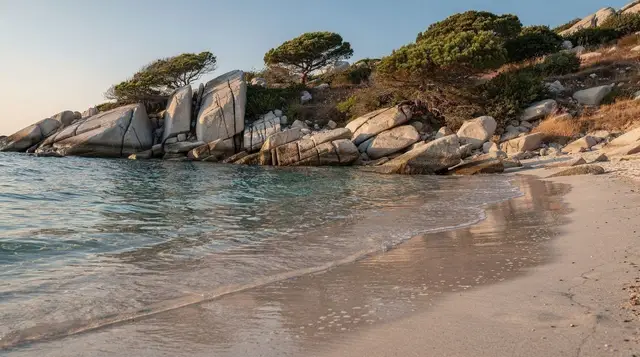
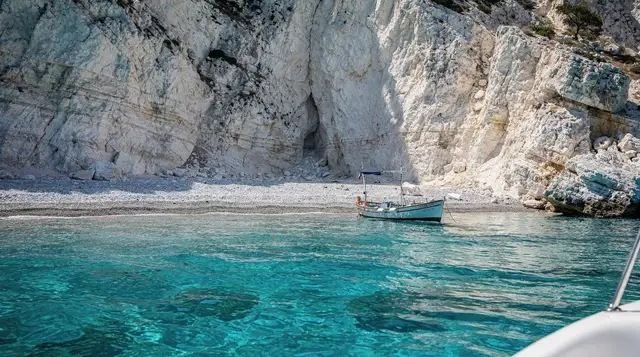
These are our own photographs of Sardinia, not the operator's pictures of this tour — open the tour page to see those.