Dolphin watching in Sardinia
Where is the best place to see wild dolphins in Sardinia?
The waters off Golfo Aranci and Olbia, on the north-east coast, near the Tavolara-Punta Coda Cavallo marine protected area. Bottlenose dolphin pods live year-round in this stretch, and licensed boat operators from both towns run daily trips with sighting rates that operators report at roughly 80% in season, though no wild encounter is ever guaranteed.
Where the dolphins actually are
Sardinia’s coastline holds a resident population of common bottlenose dolphins, and the north-east — the stretch between Olbia and Golfo Aranci, overlapping the Tavolara-Punta Coda Cavallo marine protected area around Tavolara island — is where sightings are most consistent. This isn’t the only water dolphins use around the island; pods also range through the Gulf of Asinara in the north-west and the La Maddalena archipelago, but neither has the density of dedicated boat operators that Olbia and Golfo Aranci do, so it’s the north-east that has built an actual dolphin-watching industry around the animals’ regular presence.
That matters for expectations: these are wild, free-ranging animals, not a marine park, and no legitimate operator will promise a sighting. What they can promise is knowledge of where pods have been feeding recently, hydrophones to listen for echolocation before a sighting happens visually, and a code of conduct — keeping engine noise down on approach, not chasing, not crossing a pod’s path — that both protects the animals and, in practice, improves the odds of a calm, extended encounter rather than a startled pod diving away.
| Best area | Olbia and Golfo Aranci, north-east coast |
| Species | Common bottlenose dolphin (resident population) |
| Best season | May to September; calmer seas and longer days improve both odds and comfort |
| Typical trip length | 2.5 to 4 hours |
| Reported sighting rate | Roughly 80% in season, per most operators — never guaranteed |
| Extras | Most trips include snorkelling stops near Figarolo island or Tavolara |
Golfo Aranci: the shortest crossing to open dolphin water
Golfo Aranci sits at the tip of the peninsula that shelters Olbia’s gulf, which puts its boats into open water — and dolphin range — faster than departures from further inside the bay. The Golfo Aranci dolphin watching and snorkelling boat tour is the area’s standard format: a few hours scanning open water for pods, with a snorkelling stop worked in once sightings are done or if the search runs long.
For a lower-impact alternative, the eco-friendly dolphin watching boat trip uses quieter engines and a stricter approach protocol, which matters if watching wildlife responsibly is as important to you as seeing it.
Two further options from the same port round out the choice: the dolphin watching and snorkelling boat trip runs a similar format with French-language guiding available, and the three-hour dolphin watching cruise with aperitif aboard a historic yacht trades some open-water range for a more comfortable, slower-paced boat and a drink included at the end.
Olbia: more departures, same waters
Olbia itself runs a comparable set of trips into the same stretch of protected water, generally with more frequent departures given the town’s size as a transport hub. The Olbia dolphin watching and snorkelling boat tour is the straightforward standard option, while the boat tour to watch dolphins and snorkel covers similar ground with a slightly different route and timing, useful if the first is fully booked on your travel dates — these trips fill up in July and August.
Two operators build their route specifically around Figarolo island, a small nature reserve just offshore that adds a snorkelling stop with better visibility than open water: the dolphin watching tour with Figarolo island snorkelling and the dolphin watching and snorkelling boat tour near Figarolo both follow this pattern, differing mainly in boat size and group format.
What actually happens on a trip, and what to expect if dolphins don’t show
A typical trip leaves port, heads for open water known to hold recent pod activity, and spends much of the middle of the journey scanning and listening rather than moving at speed — dolphin watching rewards patience more than distance covered. Guides usually explain bottlenose dolphin behaviour while searching: pods here typically number 5 to 15 animals, they surface to breathe every few minutes when travelling, and calm weather with low chop makes both spotting and hydrophone listening considerably easier, which is part of why trips concentrate in the calmer months from May to September.
On the minority of trips where dolphins genuinely don’t appear, the snorkelling stop near Figarolo or Tavolara becomes the trip’s main event instead, and most operators are upfront that this can happen — a useful signal that they’re not overselling a wild encounter as a certainty.
Dolphin behaviour: what guides are listening and looking for
Bottlenose dolphins in this stretch of water live in fluid social groups rather than fixed pods, splitting and rejoining depending on feeding opportunities, which is part of why no operator can promise a location days in advance. Guides typically start a search from where pods were last reported by other boats or fishermen that morning, then slow down and use a hydrophone — an underwater microphone — to listen for echolocation clicks and the higher-pitched whistles dolphins use to coordinate with each other, both audible well before an animal surfaces.
Bottlenose dolphins surface to breathe every few minutes when travelling normally and can hold their breath for considerably longer when diving to feed, which is why a patient, listening approach finds more pods than simply scanning the surface for fins. Calm, low-chop conditions help enormously with both the visual search and the hydrophone’s usefulness, since engine noise and wave slap from other boats can mask the sounds a guide is listening for.
Which trip suits you
| Operator | Port | Best for |
|---|---|---|
| Dolphin watching and snorkelling boat tour | Golfo Aranci | Shortest run to open water, standard format |
| Eco-friendly dolphin watching | Golfo Aranci | Quieter engines, stricter approach protocol |
| Historic yacht cruise with aperitif | Golfo Aranci | Slower pace, comfort, a drink included |
| Dolphin watching and snorkelling boat tour | Olbia | More frequent departures, easy access from town |
| Figarolo island trips | Olbia and Golfo Aranci | Better-visibility snorkelling stop at Figarolo |
All five reach the same protected waters and report broadly similar sighting rates; the differences are in pace, comfort, group size and how much weight the operator puts on minimising disturbance to the pods, not in the odds of finding dolphins in the first place.
How much a dolphin watching trip costs
Prices across Olbia and Golfo Aranci operators sit in a fairly narrow band: adult tickets for a standard 3 to 4-hour dolphin watching and snorkelling trip typically run somewhere in the €35-55 range for 2026, with children usually discounted by around a third to a half depending on age and operator. The eco-friendly and smaller-group trips tend to sit at the upper end of that range, reflecting the lower passenger numbers per departure, while the historic yacht cruise with an aperitif runs higher again given the extra format.
Snorkelling gear is generally included in the ticket price rather than charged separately, though a wetsuit rental for early or late-season trips, when the water is cooler, sometimes costs a few euros extra. None of these figures include parking at the port, which is rarely free in July and August.
What to bring, and coping with seasickness
Reef-safe sunscreen matters more here than on a beach day, since 3 to 4 hours on open water with no shade beyond a boat’s canopy adds up to real sun exposure, and standard sunscreen washes off into the same protected waters the trip is there to enjoy. A hat that won’t blow off, a change of clothes for after the snorkelling stop, and a dry bag or waterproof phone pouch cover the basics; most boats have minimal covered storage.
For anyone prone to seasickness, taking motion sickness medication the night before or at least an hour ahead of departure works better than waiting until symptoms start, and sitting toward the boat’s centre and keeping eyes on the horizon during the open-water search phase both help. Operators are generally understanding about this and keep a supply of basic remedies on board, but it’s worth asking when booking if it’s a genuine concern.
Wildlife elsewhere on the island if the north-east doesn’t fit your route
Dolphin trips concentrate in the north-east, but Sardinia’s other wildlife highlights sit further south and inland. If your base is Cagliari rather than Olbia, the resident flamingo colony at Molentargius is a free, walkable alternative — worth combining with the EcoSafari flamingos tour in Molentargius Park if a guided wildlife outing matters more than the dolphin trip’s location — and the e-bike tour through the canals and flamingo colony covers the same park at an easy pace.
For the island’s other marine and land wildlife, see national parks of Sardinia, Sardinian wildlife: what you can see and birdwatching in Sardinia, all of which cover species and locations beyond dolphins. Anyone building a north-east itinerary around this trip should also look at Costa Smeralda boat tours and best beaches in the Costa Smeralda, both a short drive from Olbia and Golfo Aranci.
The Tavolara-Punta Coda Cavallo marine protected area
The waters where these trips operate sit within the Tavolara-Punta Coda Cavallo marine protected area, one of Italy’s designated MPAs covering the sea around Tavolara island, Molara and the Coda Cavallo headland north of Olbia. The designation restricts certain fishing methods and boat traffic within its zones specifically to protect the resident dolphin population alongside the area’s Posidonia seagrass meadows, which function as a nursery habitat for a wide range of fish species and, in turn, part of what keeps the dolphins feeding in this stretch of coast rather than moving on.
Licensed dolphin watching operators work within the MPA’s rules on approach distance and boat behaviour around cetaceans, which is the practical reason the more responsible operators specifically mention their protocols when marketing a trip — it’s a real regulatory framework they’re operating inside, not just a marketing angle.
When to book
Booking a week or more ahead is sensible for July and August sailings, when the most popular midday departures from both ports routinely sell out; shoulder-season trips in May, June and September are far easier to book with only a day or two’s notice. Morning departures tend to have calmer water than afternoon sailings, which builds through the day with the sea breeze typical of the Sardinian coast in summer, so an early trip slightly improves both comfort and the hydrophone’s usefulness for the crew.
Getting to Olbia and Golfo Aranci
Olbia Costa Smeralda airport sits a short drive from both departure ports, which makes a dolphin trip realistic on the first or last day of a north-east Sardinia stay without much detour. If you’re renting a car for the wider trip, see our renting a car in Sardinia and driving in Sardinia guides for what to expect on the roads between Olbia, Golfo Aranci and the rest of the Costa Smeralda.
Frequently asked questions about dolphin watching in Sardinia
What is the actual chance of seeing dolphins on a boat trip?
Operators in the Olbia and Golfo Aranci area typically report sighting rates around 80% during the main season, though this varies by month, sea conditions and the specific pod’s movements on the day, and no operator can guarantee a wild sighting.
When is the best time of year for dolphin watching?
May to September, when seas are calmer and daylight hours are longer, giving crews more time and better conditions to search. Sightings happen outside this window too, but trips run far less frequently in the off-season.
Do dolphin watching trips include snorkelling?
Most do, typically at Figarolo island or near Tavolara, either as a planned stop or as the trip’s main activity on the rare occasion dolphins aren’t found.
Is dolphin watching in Sardinia ethical?
The better operators follow no-chase, distance-keeping protocols and quieter engine approaches specifically to minimise disturbance to a wild, resident population. Look for operators who mention these practices explicitly rather than simply advertising a “swim with dolphins” style promise, which reputable operators here do not offer since these are wild animals, not a controlled encounter.
Can children join dolphin watching trips?
Yes, most trips welcome children, though check the specific operator’s minimum age and the boat’s shade and seating if travelling with younger kids on a 3-4 hour trip in summer heat.
Is Golfo Aranci or Olbia the better departure point?
Both reach the same protected waters. Golfo Aranci has a slightly shorter run to open water; Olbia has more frequent departures and easier access if you’re staying in or near the town itself.
How much does a dolphin watching trip cost?
Expect somewhere in the €35-55 range per adult for a standard 3-4 hour trip in 2026, with the eco-friendly and premium-format options at the higher end and child discounts typically available.
What is the Tavolara-Punta Coda Cavallo marine protected area?
A designated marine protected area covering the sea around Tavolara island and the Coda Cavallo headland, where fishing and boat traffic restrictions help protect both the resident dolphin population and the seagrass meadows that support the wider marine food chain.
Nature & wildlife tours on GetYourGuide
Verified deep-linked GetYourGuide tours. Book through these links and we earn a small commission at no cost to you.
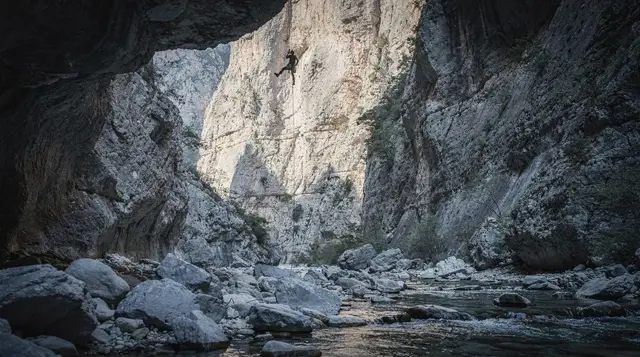
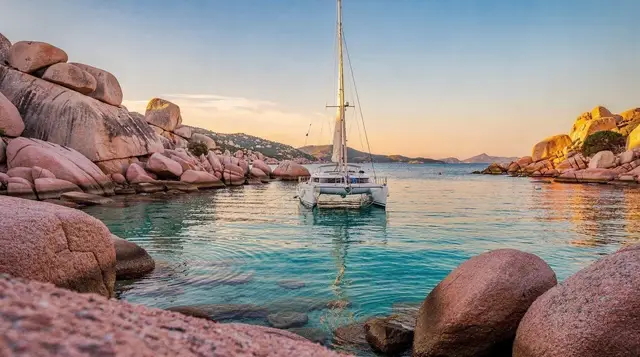
These are our own photographs of Sardinia, not the operator's pictures of this tour — open the tour page to see those.