| Where | West coast, about an hour south of Alghero |
| Known for | The Temo river, Malaspina castle, and pastel-painted Sa Costa district |
| Time needed | A full day, or an overnight to properly slow down |
| Cost | Free to walk the town; castle entry a few euros; kayak rental from around €54 |
| Best time | Late afternoon light on Sa Costa; May-June or September for weather |
The town that faces its river, not the sea
Most Sardinian coastal towns organise themselves around a harbour or a beach. Bosa organises itself around the Temo, the only river on the island that’s genuinely navigable by boat, and the effect is immediately different: instead of a seafront promenade, you get a riverside one, lined with the old tanning houses (Sas Conzas) that once processed leather using the river’s fresh water, now mostly converted into small galleries, bars, and artisan workshops. The sea is close — Bosa Marina, the town’s beach, sits about 3km downstream at the river mouth — but the town itself has its back turned to it in a way that gives Bosa a genuinely different feel from Alghero or Castelsardo.
Rising above the river on the town’s northern side, the ruined Malaspina Castle (also called Castello Serravalle) dates to the 12th century and gives the best overview of Bosa’s layout: the stacked, brightly coloured houses of the Sa Costa district climbing the hillside beneath it, the cathedral spire below, and the river winding out toward the sea. The chapel inside the castle walls, Nostra Signora di Regnos Altos, has a rare and well-preserved set of medieval frescoes, one of the more overlooked interior sights on this coast.
Sa Costa: walking the old town properly
Sa Costa is Bosa’s historic quarter, a dense grid of narrow, stepped lanes climbing from the riverside up toward the castle, with houses painted in the yellows, pinks, and blues that make Bosa one of the most photographed towns on this coast. Unlike some “colourful town” destinations elsewhere in Italy, the colour here isn’t a recent tourist-board makeover — it’s a genuine, decades-old local tradition, and the paint is maintained by residents who still live in these houses year-round.
Walking Sa Costa without a fixed plan is honestly the best way to see it: pick a lane and climb, and you’ll eventually reach either the castle or a small piazza with a view back down over the rooftops. Budget an hour minimum, longer if you stop for coffee along the way, which you should.
On the river: kayaking the Temo
Because the Temo is genuinely navigable, kayaking here is a different experience from sea kayaking elsewhere on the island — calmer water, riverbanks rather than cliffs, and a slower pace suited to actually looking around rather than fighting a current. A Temo river kayak rental lets you paddle past the old tanneries and under the town’s bridges at your own pace, typically for a few hours, and it’s one of the more relaxed water activities on this whole coast. For a wider look at paddling options across the island, see our sea kayaking in Sardinia guide.
Bosa Marina and the coastline
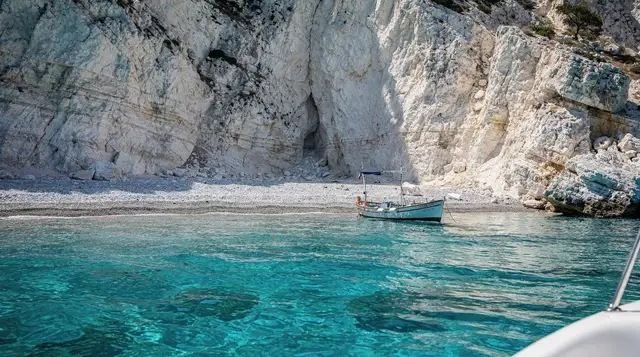
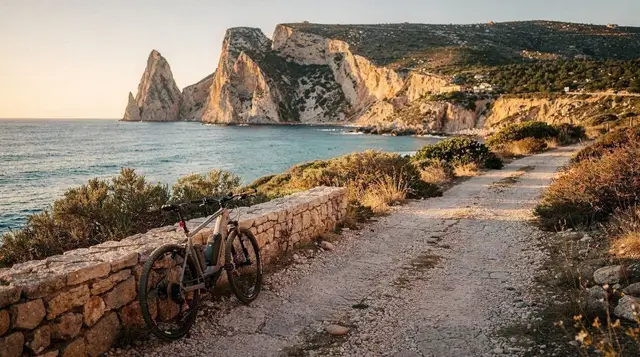
Bosa Marina, at the river mouth, has a decent sandy beach with reliable facilities and is popular with families staying in town rather than driving out to more remote coves. The coastline immediately north and south of Bosa has smaller coves worth exploring by boat rather than on foot, since road access is limited along several stretches.
A snorkeling tour of the coastline coves covers exactly this stretch, taking you to spots that would otherwise require a difficult scramble down from the coast road. Our best snorkelling spots in Sardinia guide gives more context on how this coastline compares to the island’s better-known snorkelling areas.
Visiting Bosa from Alghero
Given the roughly hour-long drive, Bosa is a genuinely popular day trip from Alghero, and several operators run it as an organised excursion rather than requiring you to self-drive the coastal road (which is scenic but slow, with plenty of bends).
A panoramic tour of Bosa from Alghero covers the town’s key sights with a guide, useful if you’d rather not navigate independently, and a market day in Bosa from Alghero times the visit to coincide with the town’s local market, a good way to see a more everyday side of Bosa alongside the historic sights. See our day trips from Alghero guide for how Bosa compares to other options from that base.
Wine and food: Malvasia and beyond
Bosa has its own DOC wine, Malvasia di Bosa, a distinctive amber, slightly oxidative white traditionally served as an aperitif or with almond-based desserts — genuinely different from the crisper Vermentino whites more common further north, and worth seeking out specifically here rather than assuming any Sardinian white will do. Pair it with the town’s seafood, which benefits from the same fresh-water advantages that made Bosa’s tanning industry viable centuries ago.
For a broader food experience, an Sardinian fresh pasta workshop with dinner based near Alghero but covering the countryside toward Bosa is a good way to combine a cooking lesson with the wider region’s ingredients. Our Sardinian food and wine guide covers Malvasia alongside the island’s other regional specialities.
Markets and everyday Bosa
Beyond the postcard views, Bosa still runs on a genuine local rhythm — a weekly produce market brings in growers from the surrounding countryside, and the small shops along Corso Vittorio Emanuele sell everyday goods to residents as much as souvenirs to visitors. It’s a useful reminder that, unlike some of the more purely resort-oriented towns further north, Bosa’s economy doesn’t depend entirely on summer tourism, which is part of why it retains a lived-in character even in the quieter shoulder-season months.
Getting to Bosa
Alghero-Fertilia airport (AHO) is the closest, roughly an hour by car along the SS292, a scenic but winding coastal road that takes longer than the distance suggests — budget extra time rather than assuming motorway speeds. From Cagliari, it’s a genuine 2.5-3 hour drive, making Bosa a more natural fit for a north or west Sardinia itinerary than a Cagliari-based trip. Public buses connect Bosa to Alghero and Oristano, with modest frequency, but a hire car remains the practical choice for exploring the surrounding coastline and coves.
When to visit
| Season | Conditions | Notes |
|---|---|---|
| May-June | Warm, sea comfortable, town lively | Good balance before peak-season crowds |
| July-August | Hot, busiest | Book accommodation and river kayaking well ahead |
| September | Still warm, notably quieter | The best trade-off for most visitors |
| October-April | Cool, many seasonal businesses closed | Fine for the town itself, not for swimming |
Frequently asked questions about Bosa
Is Bosa worth visiting, or is Alghero enough?
Bosa offers something genuinely different from Alghero — a river setting, a distinct architectural character in Sa Costa, and its own wine tradition. It’s worth the extra hour of driving if you have more than a couple of days in the northwest.
How long do I need in Bosa?
A full day covers the old town, castle, and a river activity comfortably. An overnight lets you catch Sa Costa in the early morning and evening light, when it’s at its most atmospheric.
Is Bosa Marina beach good for families?
Yes — it’s a straightforward sandy beach with facilities at the river mouth, easier for families than some of the more remote, quota-controlled beaches elsewhere on the island.
Can I visit Bosa without a car?
It’s possible via bus from Alghero or Oristano, or as part of an organised day tour, but a hire car gives you far more flexibility to explore the surrounding coves and countryside.
What is Malvasia di Bosa?
A DOC amber white wine specific to this area, traditionally served as an aperitif or with almond desserts. It’s distinct from the Vermentino more commonly found further north and worth trying specifically in Bosa.
Is the drive from Alghero to Bosa difficult?
Not difficult, but slower than the distance suggests — the SS292 coastal road is scenic but winding. Budget close to an hour rather than expecting motorway speeds.
Is Bosa a good base for exploring the west coast?
Yes, reasonably — it sits within striking distance of both the northwest coast around Alghero and the Sinis peninsula and Oristano further south, making it a workable midpoint for travellers splitting time between the two regions rather than committing to either exclusively.